Registration
Expired
Pre-conference | Enterprise Architecture | Practitioner / Intermediate Session (open to all)
Esa Suominen
Patrik Maltusch
Governance; Policy and StrategyExpired
Esa Suominen
Patrik Maltusch
- Jordanstown – BC-03-104A
SIG Enterprise Architecture
Duration: Full Day
Moderator: Patrik Maltusch & Esa Suominen
Hands-on, collaborative activities designed to introduce, apply, and explore EA tools and challenges in an accessible way.
Audience: IT professionals, project managers, institutional planners, and newcomers to EA frameworks looking for practical experience.
Program Highlights:
- Coffee and Conversation with CAUDIT – An open Q&A session with peers from the Australian EA community.
- Mapping Workshop – Explore how European policies and frameworks (e.g., EduXS, EU Core) connect to local strategy.
- EA Game: Solve Your Digitalisation Transformation – An engaging challenge where teams tackle real-world change scenarios.
- Wrap-up & Reflections – Group insights and takeaways from the simulation.
Key Takeaways
- Cross-institutional knowledge sharing
- Hands-on experience with value-driven EA approaches
- A stronger understanding of European EA interoperability efforts
- New connections across the global EA community
Full information and time schedule for both the ‘members only’ and ‘open to all’ pre conference workshops is available in slide format
Pre-conference | Information Security | Standardisation: Implementation & Certification – effort, experiences and results

Asbjørn Reglund Thorsen
Thorsten Küfer
Information System and Digital TransformationExpired
Asbjørn Reglund Thorsen
Thorsten Küfer
- Clifton Suite – BC-03-104
- BC-03-104
SIG Information Security
Duration: Half Day (am)
Standardisation: Implementation & Certification – effort, experiences and results
This workshop will show some practical experiences with implementing and/or certifying standards. And we’ll discuss the balance between effort and benefits.
- ISO 27001 Certification at Università Bocconi (Simone Piunno, Università Bocconi)
- German IT-Grundschutz Approach to ISMS (Thorsten Küfer, FH Münster)
- A Journey to ISO and back – Certification in ISO 27001 and 9001, why and why not (John Magnus Kallevik, Stavanger University)
- Data Protection Topic (Nadja Paske, University of Stuttgart, tbc)
Target audience:
CISOs, DPOs, IT security experts and those interested in standardisation & certification
Pre-conference | Open Science | Kick-off event for the EUNIS Open Science
Laurents Sesink
Michael Anger
Research TechnologyExpired
Laurents Sesink
Michael Anger
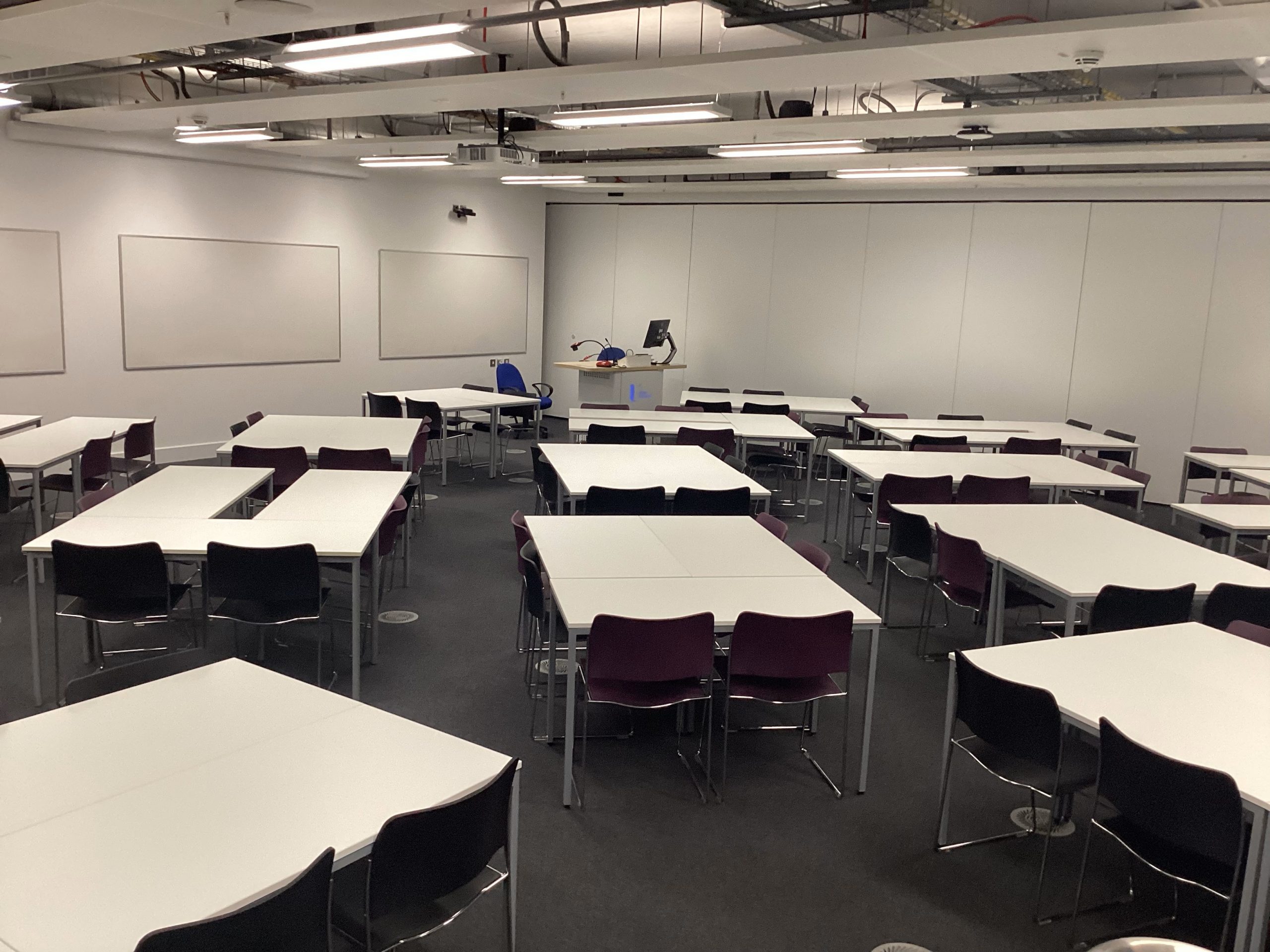
- Titanic – BC-03-115A
Kick-off event for the EUNIS Open Science SIG:
Explore good practices. Share experiences. Connect via the Open Science Hub
Duration: Half Day (am)
The workshop will have several parts:
- introduction & purpose of SIG, get to know the organisers
- examples on the status & challenges of Open Science at university and national level will be presented and discussed
- propose ways of learning from one another, look at the ‘hub’ model
- discuss next steps/activities for the SIG Open Science
EUNIS SIG on Open Science kick-off
Open Science fosters transparency, accessibility, and collaboration in research. It enhances research quality and integrity by making methodologies, data, and findings openly available, improving findability and reproducibility while reducing the risk of scientific misconduct. Recognising both the strategic importance and the broad benefits of Open Science for the research community, EUNIS is launching a Special Interest Group dedicated to this topic. The SIG will serve as a collaborative platform for EUNIS members to coordinate efforts in implementing Open Science principles, addressing common challenges, sharing best practices, and developing strategies to promote all aspects of Open Science within EUNIS.
Expected audience:
Researchers, data stewards, research software engineers, university IT staff, librarians, policy-makers, and other stakeholders interested in advancing the full spectrum of Open Science (including but not limited to FAIR data, open access, open research software, and reform of research assessment practices)
Whether you are an experienced practitioner or new to Open Science, your perspective will be instrumental in fostering dialogue and collaboration through the SIG.
To mark the official launch of the SIG, the session will present its tentative vision and objectives.
Examples of current state of Open Science
After a brief welcome and introduction, SIG members representing various organisations and networks—such as SURF, SRCE, Strathclyde University (tbc) and KIT—will share their perspectives on the current state of Open Science within their institutions and point out prevalent challenges.
Learning from one another, look at the ‘hub’ model
Drawing on their collective expertise, the session will explore potential solutions, showcase good practices, and elaborate on how all of this can be tied together via an Open Science Hub concept.
Next steps
The event will conclude with a discussion of the SIG’s next steps, outlining opportunities for participation and ways to contribute actively to its mission.
Pre-conference | Learning Technology | Introductory kick-off SIG Learning Technology
Gill Ferrell
Thierry Koscielniak
Learning TechnologyExpired
Gill Ferrell
Thierry Koscielniak
- Ulster – BC-03-115
SIG Learning Technology
Duration: Half Day (am)
Introductory kick-off SIG Learning Technology
Purpose:
The workshop marks the kick-off for the new SIG Learning Technology. Together with the participants, we will brainstorm and decide on future topics to work on.
Approach:
A Miro board will be set up in advance to collect comments from participants. To ensure fruitful exchanges, depending on the number of attendees we will have one or two groups (of max 20pp).
Coffee Break
ExpiredLunch
Expired
Pre-conference | Creative Technologies Workshop

Frank Lyons MBE, Ulster University
Thematic Track Learning TechnologyExpired
Frank Lyons MBE, Ulster University
- VP Studio
This workshop will focus on virtual production, a suite of new technologies and processes which are being rapidly adopted globally by the film, tv and advertising industries. Virtual production brings together elements of film, broadcast, animation, games and immersive using game engine technologies to create 3D worlds which are displayed on high resolution LED walls, creating photorealistic virtual environments. Ulster University, through the Ulster Screen Academy and Studio Ulster, is recognised as world-leading in virtual production education and research and this workshop will demonstrate the technologies and processes developed at Ulster which are driving innovation in the screen industries.
Pre-conference | Enterprise Architecture | Practitioner / Intermediate Session (open to all)
Esa Suominen
Patrik Maltusch
Governance; Policy and StrategyExpired
Esa Suominen
Patrik Maltusch
- Jordanstown – BC-03-104A
SIG Enterprise Architecture
Duration: Full Day
Moderator: Patrik Maltusch & Esa Suominen
Hands-on, collaborative activities designed to introduce, apply, and explore EA tools and challenges in an accessible way.
Audience: IT professionals, project managers, institutional planners, and newcomers to EA frameworks looking for practical experience.
Program Highlights:
- Coffee and Conversation with CAUDIT – An open Q&A session with peers from the Australian EA community.
- Mapping Workshop – Explore how European policies and frameworks (e.g., EduXS, EU Core) connect to local strategy.
- EA Game: Solve Your Digitalisation Transformation – An engaging challenge where teams tackle real-world change scenarios.
- Wrap-up & Reflections – Group insights and takeaways from the simulation.
Key Takeaways
- Cross-institutional knowledge sharing
- Hands-on experience with value-driven EA approaches
- A stronger understanding of European EA interoperability efforts
- New connections across the global EA community
Full information and time schedule for both the ‘members only’ and ‘open to all’ pre conference workshops is available in slide format
Pre-conference | Information Security | A Hands On AI Prompting Workshop – Unlock the power of AI
Asbjørn Reglund Thorsen
Matija Puzar
Information System and Digital TransformationExpired
Asbjørn Reglund Thorsen
Matija Puzar
- Clifton Suite – BC-03-104
- BC-03-104
SIG Information Security
Duration: Half Day (pm)
A Hands On AI Prompting Workshop – Unlock the power of AI
In this interactive session the participants will hear about differences in LLMs, and get guidance to make (engineer) better prompts and explore how LLMs can become an integral part of the workflow.
Presenters/Trainers are Asbjørn Thorsen Reglund and Matija Puzar from SIKT, Norway
Aspects that will be addressed:
- Task & goal description
- Context & Background information
- Use of Examples
- Defining Persona
- Request a structured Format
- Choosing the Tone.
Purpose & takeaways:
- learn how to use the AI-tools
- learn how to defend ourselves and optimise our usage
- enhance the understanding of AI and its potential applications in a business context with a special focus on AI-powered chat technologies
- develop skills in formulating effective prompts and utilising AI tools to improve decision-making, automate tasks, and foster innovation
- inspire and motivate attendees to think about how AI can be integrated into their daily work to increase productivity, improve communication, and strengthen decision-making processes.
Expected audience:
IT and Cloud managers and expert staff as well as institutional Information and AI strategists. For anyone working within a university, with an interest in learning how to (better) use available AI tools, this workshop may be useful
Pre-conference | Mobility & Digital Credentials | Semantic interoperability
Colin Tück
Lluís Alfons Ariño Martin
Zahra Farzadian
Information System and Digital TransformationExpired
Colin Tück
Lluís Alfons Ariño Martin
Zahra Farzadian
- Titanic – BC-03-115A
SIG Mobility & Digital Credentials
Duration: Half Day (pm)
Speakers: Colin Tück, Lluís Alfons Ariño
Moderator(s): Peter Leijnse and Jan-Joost Norder (SIG core group)
How to create Credentials that are actually understood: Semantic Standardisation – a way to improve interoperability
Interoperability is mostly understood in the context of technical systems and standards. To implement interoperability between business processes, also the interoperability of language and terminology comes in play. This semantic interoperability is essential when cooperating at European alliance scale for higher education institutions, and becomes crucial when moving towards a credential ecosystem where parties where parties outside higher education want to use and easily understand educational credentials in their business systems.
Three speakers will introduce how semantics becomes important in their initiatives, ending in two or three challenging questions for the audience. The session will then continue in workshop format.
Expected Outcomes:
- Participants are informed about relevant initiatives.
- Contributors and participants have a common understanding of the semantic challenge
- Attendees have a common idea about how to tackle this challenge.
Target audience:
Information system professionals, Information managers, architects, mobility & credential experts
Pre-conference | AI for Good (?)
Bianca de Teffé Erb
Cal Innes
John Magnus Furseth Kallevik
Laura Ferri
Research TechnologyExpired
Bianca de Teffé Erb
Cal Innes
John Magnus Furseth Kallevik
Laura Ferri
- Ulster – BC-03-115
SIG AI4ALL
Duration: half day (pm)
Is Inclusive and Sustainable Artificial Intelligence possible? Exploring uncharted territories and new challenges.
As Artificial Intelligence rapidly becomes embedded in the infrastructure of our institutions—shaping everything from teaching and assessment to climate strategy and policy—the question we must ask is no longer if we use AI, but how we do so responsibly. Can AI truly be both inclusive and sustainable? And what does that mean for higher education?
This session opens by confronting the core tensions at the heart of AI adoption: the potential of AI to widen access to learning, personalize education, and assist in overcoming barriers—contrasted with its risks of amplifying bias, excluding marginalized voices, and contributing to environmental degradation.
Cal Innes (Jisc) takes us into the real-world trade-offs: AI’s carbon footprint, the challenges of digital equity, and the promise of climate-resilient, ethical applications. Bianca De Teffé Erb builds on this by challenging us to rethink who AI is being built for—and who gets left out. Her call is clear: inclusion must be designed into AI from the start, not patched on afterward.
We then ground these provocations in practical contexts. From AI tools that support dyslexic or multilingual learners, to chatbots that simplify complex texts and enhance comprehension, we explore how inclusive learning is already being reimagined. But we also face a governance gap: institutions are moving faster than regulation can keep up.
Ethical concerns around privacy, bias, academic integrity, and transparency are no longer abstract—they are everyday realities in the classroom. This session offers not just insight, but a space to ask difficult questions, share strategies, and co-create a vision for an AI-ready higher education that is just, inclusive, and sustainable—for all.
Artificial Intelligence is transforming higher education—but not without consequences. From algorithmic bias to unequal access, from data privacy concerns to environmental impact, the ethical challenges of AI are as urgent as its promises are vast.
This session brings together thought leaders and practitioners to ask the tough questions: Can AI be truly inclusive? Can we innovate without leaving communities—and the planet—behind? And how can universities lead this transformation with integrity?
With insights from real-world implementations and forward-looking ethical frameworks, we’ll explore how AI is being used to support accessibility, foster equity, and build more sustainable digital infrastructures.
- (Un)Sustainable AI
- Social and geo-political relevance (& digital divide) of AI4ALL
- Inclusive and Accessible AI and AI for inclusion and accessibility
- Thinking out of the (black) box: transparency of AI solutions and their potential bias and/or risks
- Universities as gatekeepers? The role of HEIs in promoting a fair use of AI
- What AI can we use safely?
- Alignment between AI and Ethics (e.g. Constitutional AI)
Moderator(s): Giuliano Pozza and Bonaria Biancu
Coffee Break
ExpiredWelcome reception
Social event Expired
Sponsored by Enterprise Architecture Solutions Ltd 
Ulster University hosts a welcome reception in the main foyer of its 1 million sq ft, £368 million Belfast campus. An opportunity to network, relax and enjoy the campus in advance of the congress.
There will be a selection of sandwiches, wraps and snacks on offer and each delegate will be given 2 tokens to exchange for drinks at the the bar.
Registration
ExpiredWelcome refreshments will be available in the Lower Ground Foyer
Welcome and Opening Remarks
Cathy Gormley-Heenan, Provost Ulster University
Duncan Morrow, Ulster University

Evelien Renders
Frank Lyons MBE, Ulster University
James McLaughlin, Ulster University
Expired
Cathy Gormley-Heenan, Provost Ulster University
Duncan Morrow, Ulster University
Evelien Renders
Frank Lyons MBE, Ulster University
James McLaughlin, Ulster University
- Auditorium
Wake up your senses and join us for the EUNIS25 Opening Plenary!
We’ll kick off the congress with energy, reflection, and connection. Expect more than just words: a story to ground us, a sound to guide us, and a moment to remind you why you’re really here. From a shared breath to a shared vision, our speakers will set the tone for three days of inspiration and collaboration. Come curious. Leave connected.
-
Opening remarks – Evelien Renders, EUNIS President
-
Welcome by Provost Ulster University – Cathy Gormley-Heenan
-
Welcome to Belfast by the Lord Mayor
-
Introduction of thematic tracks
Morning Keynote | Is Hybrid Intelligence the Future?

Barbara Wasson, University of Bergen
Expired
Barbara Wasson, University of Bergen
- Auditorium
Is Hybrid Intelligence the Future?
Human-AI interactions (co-learning, co-working, co-creating) are becoming a cultural condition, thus will have a profound and far-reaching impact on educational institutions. This talk will first delve into the concept of hybrid intelligence, which combines the strengths of humans and machines through their coevolutionary processes to collaborate, learn from, and reinforce each other. Then what hybrid intelligence means for higher education will be explored.
Moderator: Evelien Renders
Move time
Expired
Digital Healthcare
Florian Thieringer
James McLaughlin, Ulster University
Thematic Track Learning TechnologyExpired
Florian Thieringer
James McLaughlin, Ulster University
- Auditorium
With the focus on digital transformation in higher education, we take Digital Healthcare as a compelling example of how AI is rapidly influencing teaching, learning and research, with profound impacts on curricula, skill demands and interdisciplinary collaboration. This track on digital healthcare explores how universities are adapting curricula, advancing interdisciplinary research and preparing future professionals in response to these fast-moving developments.
A Welcome and Introduction to Digital Health at Ulster University
James McLaughlin
Shaping the Future of Medical Education: Simulation, AI and Digital Transformation in Healthcare Training
This talk highlights how digital technologies like AR/VR simulation, 3D printing, AI, and robotics can transform medical education. Using examples from Basel’s Medical Faculty of the Future, it shows how curricula, skills training, and interdisciplinary learning are evolving to meet the demands of digital healthcare.
Speaker: Florian Thieringer
Moderator: Isabel Gallin
Connecting Open Science
Anna Pacholak
Natalia Manola
Research TechnologyExpired
Anna Pacholak
Natalia Manola
- Titanic – BC-03-115A
Connecting Open Science – Platforms, Alliances, Nodes
EUNIS is paying more and more attention to Open Science and is therefore organising a dedicated session on this topic. Titled ‘Connecting Open Science – Platforms, Alliances, Nodes’, the session will look at how Open Science can best flourish in different collaborative spaces. In a first presentation, Anna Pacholak will present an exciting case study of a snow cover service to illustrate the benefits of innovative platforms. The second presentation by Natalia Manola describes the case of a strategic partnership between a university alliance (EUT+) and OpenAIRE and provides valuable insights into the process that led to the creation of the EUT+ CONNECT Gateway. The session concludes with an exciting report on the role of the EOSC EU Node in fostering transnational and interdisciplinary research and creating an environment for sharing and managing research data and services, shaping the future of Open Science in Europe.
Moderators: Michael Anger and Ognjen Orel
Download the presentations:
HE Digital Transformation (Part 1)
Andreas Hartmann
Jim Nottingham
Raimund Vogl
Governance; Policy and StrategyExpired
Andreas Hartmann
Jim Nottingham
Raimund Vogl
- Ulster – BC-03-115
The session will cover digital transformation in higher education institutions, considering both the user-centred perspective and campus ecosystems.
This session explores how higher education institutions can strategically navigate digital transformation by adapting industry models, fostering inclusive digital cultures, and developing institution-wide digital strategies. Drawing on case studies from Germany and the UK, it highlights the importance of tailored frameworks, collaborative leadership, and updated governance to effectively manage digital change across teaching, research, and administration.
Moderators: Paul Greenway and Andreas Hartmann
Download the presentations :
European Alliances Herm 1
Catrin Karling
Johan Flid Fridell
John Mayall
Ludmila Ziediņa
Sarah Smith
Information System and Digital TransformationExpired
Catrin Karling
Johan Flid Fridell
John Mayall
Ludmila Ziediņa
Sarah Smith
- Cathedral
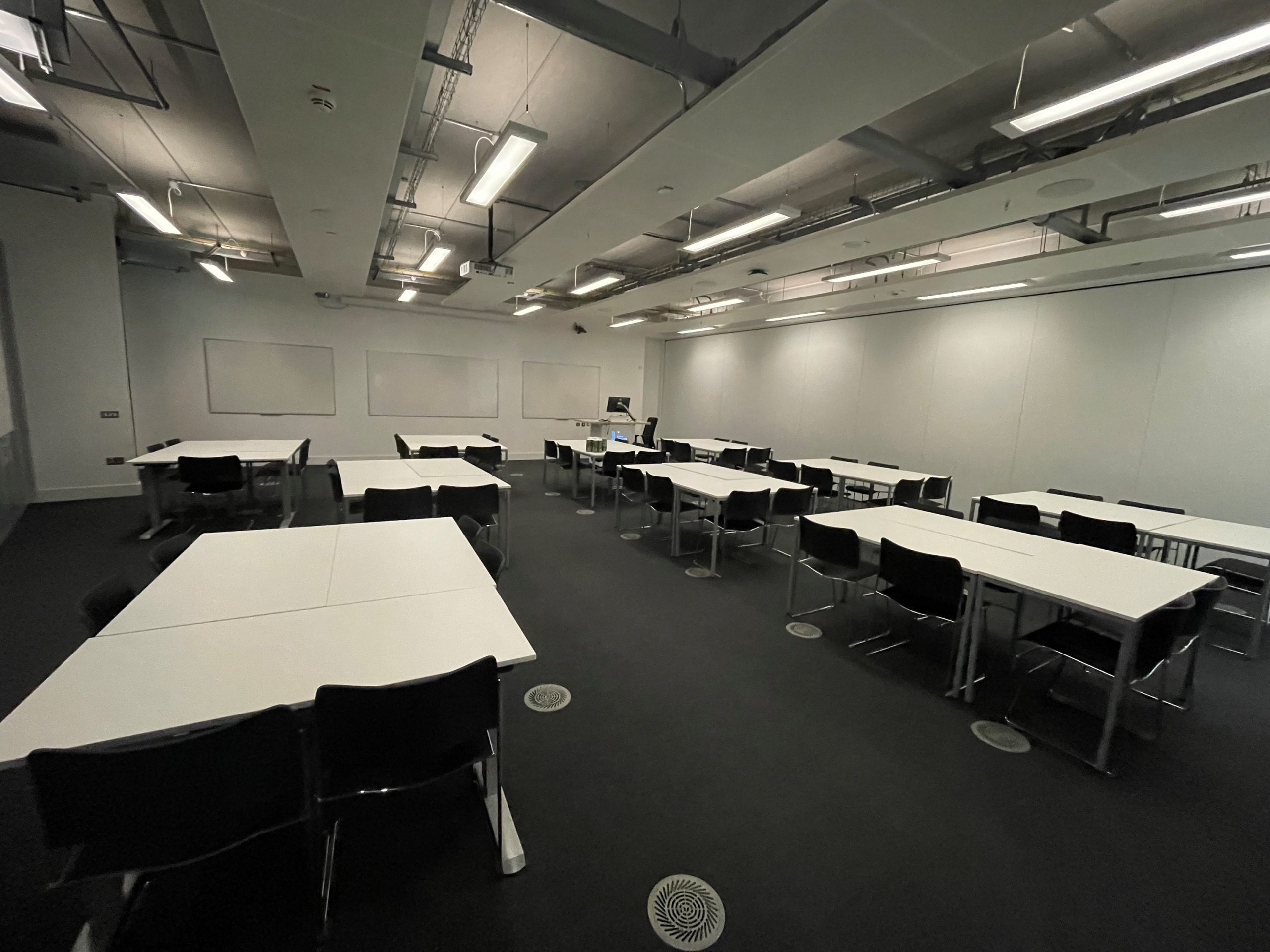
This session features three presentations on the topic of European Alliances HERM
Moderators: Patrik Maltusch and Marte Nubdal
Download the presentations :
Analyzing HERM implementation experiences in Sweden
Bridging HERM and BPM: Insights from Rīga Stradiņš University
Digital Credentials for Education
Peter Leijnse
Viivi Pelanteri
Information System and Digital TransformationExpired
Peter Leijnse
Viivi Pelanteri
- Belfast
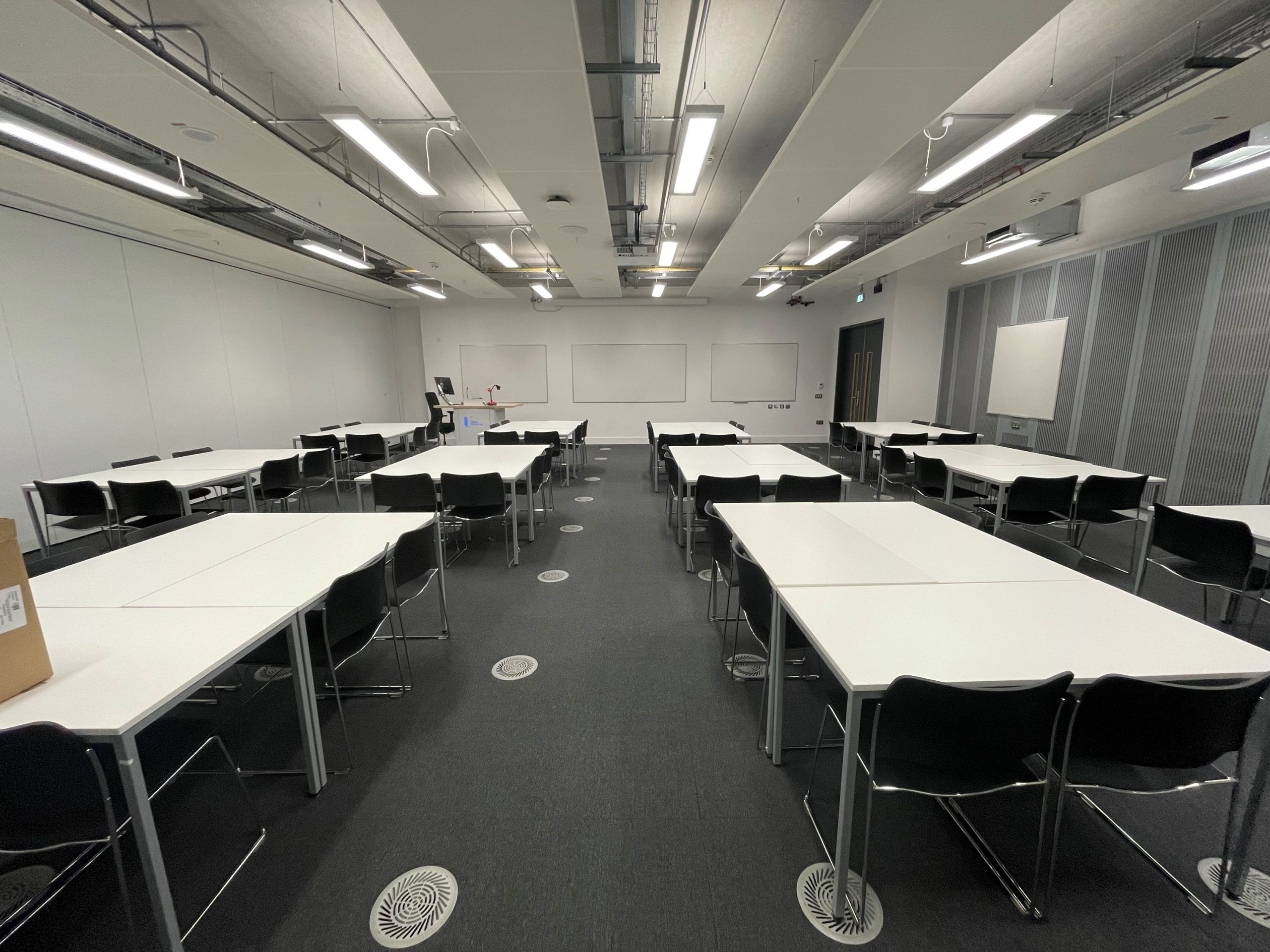
Micro-credentials and electronic degree certificates: putting it to work
Micro-credentials and digital diplomas have been a hot topic for some time now. But there are a lot of things to be understood from the conceptual and from the operational point of view. In this session we demonstrate how we streamlined processes from creating a study structure to graduation and creating electronic degree certificates. Another part of the session will deal with the conceptual view on the micro certificates and digital credentials paradigm overall, aiming to discover with the audience how different views on the landscape are needed to steer towards effective implementation.
Moderator: Nadža Milanović
Download the presentations:
Coffee Break & Exhibition
Expired
Digital Healthcare
Anthony G Gallagher
Michael Schmidts
Raymond Bond
Thematic Track Learning TechnologyExpired
Anthony G Gallagher
Michael Schmidts
Raymond Bond
- Auditorium
Leveraging LLMs for Medical Assessment: The OpenCampus Drupal Framework with ECA Integration
Speaker: Michael Schmidts
This presentation details how the OpenCampus Framework, built upon Drupal, enables medical schools to integrate Large Language Models (LLMs) into their assessment design and management. A core principle is maintaining institutional control over data and ensuring adherence to compliance standards. We utilize Drupal’s Event-Condition-Action (ECA) module, which supports BPMN-style process modeling, to automate various assessment tasks, including item writing and question banking.
The system supports a blueprint-driven question authoring process, aligning items with intended learning outcomes and curriculum structure, an approach that previously incorporated “classical AI” for formal item improvement (e.g., vignette checks, answer homogeneity, avoiding negatives/absolutes) and a structured review process. The new LLM integration, facilitated by an API within the ECA module, allows for prompt-based creation of MCQs, OSCE stations, and MMI scenarios. This offers institutions the flexibility to utilize their chosen LLM (local or cloud-based), significantly streamlining the authoring process and drawing on evidence that LLMs can produce high-quality assessment items comparable to human authors.
Surg. Robotics
Speaker: Anthony G Gallagher
Tony will be discussing the shift in Digital Healthcare for the assessment and training of surgeons and physicians particularly in image guided medicine. He will share key messages from his authored book “Fundamentals of Surgical Simulation; Principles and Practices” which was published in 2011. Tony will discuss his international experience of simulation-based training for robot assisted surgery and minimally invasive surgery, endovascular interventions, pacemaker implantation and validation of medical devices for training and assessment.
AI and UX in Digital Health Research
Speaker: Raymond Bond
This talk will summarise selected research studies related to the use of AI in healthcare as well as user experience (UX) research which is key to ensuring that our digital health future is data-informed and human centred.
Moderator: Isabel Gallin
Smart & Reliable Research-Systems
Abdelaziz Bouras
Filipe Pessoa
Lars Michel
Maria Bylina
Research TechnologyExpired
Abdelaziz Bouras
Filipe Pessoa
Lars Michel
Maria Bylina
- Titanic – BC-03-115A
Ensuring Quality, Usability, and Integrity in Research Systems Through AI, Governance, and Open Standards
In the evolving landscape of higher education and research, the reliability, accessibility, and usability of research information systems are becoming increasingly vital. This session brings together four synergistic presentations that showcase innovative approaches and practical experiences in designing and improving tools for research management..
We’ll begin with the use of cutting-edge technologies such as Large Language Models (LLMs) and Retrieval Augmented Generation (RAG) pipelines to support semantic search and advanced analysis of institutional publications. This highlights how AI can be used to unlock insights from complex research data. The second research addresses a fundamental yet often overlooked issue in research software development: the importance of quality assurance. It advocates for prioritizing software testing to ensure reliability, reproducibility, and trust in research outputs..
Next, a case study from Qatar will take us into the world of research data preservation, showing how an OAIS-compliant open archive can help institutions retain the value of research grants long after the projects are complete. Finally, the session will explore the role of data governance and data quality in enhancing the usability of the Ludzie Nauki CRIS system in Poland. It underscores how legal compliance, user-centric design, and AI-enhanced services can elevate research information systems..
Together, these presentations provide a comprehensive view of how institutions can improve research infrastructure through AI integration, sound software practices, sustainable archiving models, and data governance. The session will appeal to research managers, IT professionals, and policy-makers seeking to strengthen the digital foundation of their research ecosystems..
Moderators: Anna Pacholak and Laurence Desnos
Download the Presentations:
“It works on my research”: An argument for prioritized software testing in research software
HE Digital Transformation (Part 2)
Konstantinos Tsimpanis
Oonagh Kelly
Simon Whittemore
Governance; Policy and StrategyExpired
Konstantinos Tsimpanis
Oonagh Kelly
Simon Whittemore
- Ulster – BC-03-115
The session will cover digital transformation in higher education institutions, considering both the user-centred perspective and campus ecosystems.
This session focuses on practical tools, models, and strategies for advancing digital transformation in higher education institutions. It presents UDReady, a data-driven tool for assessing digital readiness; the DIVO model, a lean and agile framework for piloting digital innovations; and Ulster University’s hands-on approach to process automation using low-code platforms. Together, these cases offer valuable insights into assessing preparedness, fostering innovation, and implementing scalable, sustainable digital solutions.
Moderators: Paul Greenway and Andreas Hartmann
Download the presentations:
Business Systems for HE
Bruno Vranić
Matija Kranjčina
Nadža Milanović
Terezia Kvasnicova Galovicova
Zvonko Martinović
Information System and Digital TransformationExpired
Bruno Vranić
Matija Kranjčina
Nadža Milanović
Terezia Kvasnicova Galovicova
Zvonko Martinović
- Cathedral
Business systems from student application, overall student management system and e-learning system to quality assurance of higher education.
This session explores the development, evolution, and strategic role of digital business systems in supporting and transforming higher education (HE) institutions. From managing student applications and administrative data to enhancing e-learning and ensuring compliance with quality assurance frameworks, modern information systems are pivotal in shaping efficient, transparent, and student-centric academic environments.
The session begins with a presentation on Croatia’s newly developed ISPiK system, a national platform designed to support the quality assurance process of higher education institutions. This system, replacing an older framework, offers improved integration with existing data sources and guides institutions in preparing self-assessment reports for reaccreditation, aligning closely with the European Standards and Guidelines (ESG).
A second contribution highlights the redesigned E-Course Catalogue, an open, centralized web application for Croatian HEIs, which now offers a modern interface, improved accessibility, and advanced analytics. This case exemplifies how thoughtful system upgrades can enhance user experience, data usability, and integration with broader institutional ecosystems like ISVU.
The third presentation provides a retrospective look at ISVU, Croatia’s national student information system. Over 24 years, ISVU has evolved into a robust, modular system supporting a full spectrum of academic and administrative processes. Continuous innovation—including support for micro-credentials and digital diplomas—has positioned ISVU as a cornerstone of Croatian higher education infrastructure.
Finally, the Slovak use case of PrihlaskaVS showcases a successful digital transformation from a paper-based application process to a centralized online platform. This system significantly streamlined university admissions for over 64,000 applicants, demonstrating the tangible benefits of digitization in improving access and efficiency.
Together, these diverse yet complementary examples illustrate how strategic digital systems can serve as enablers of institutional effectiveness, student engagement, and systemic quality assurance in the evolving higher education landscape.
Moderators: Patrik Maltusch and Marte Nubdal
Download the presentations:
TRANSFORMATION FROM PAPER-BASED TO CENTRAL ELECTRONIC UNIVERSITY APPLICATION (CEA)
AI in HE
Antti Mäki
Hanna-Mari Puuska
Joaquim Campuzano Puntí
Juan Antonio Martínez-Carrascal
Malte Dreyer
Information System and Digital TransformationExpired
Hanna-Mari Puuska
Joaquim Campuzano Puntí
Juan Antonio Martínez-Carrascal
Malte Dreyer
- Belfast
AI in Higher Education: A global opportunity or a global issue?
Artificial Intelligence is no longer a distant innovation—it’s here, embedded in our systems, reshaping how we teach, research, and govern. What we once called “digital transformation” is rapidly evolving into AI-driven transformation, bringing with it a wave of opportunity, complexity, and urgent questions. This panel invites you to explore how higher education institutions are navigating this shift—not only by adopting AI technologies but by redefining their strategies, values, and responsibilities in the process.
Across Europe, universities are building internal AI ecosystems, developing bespoke language models, and reengineering workflows. But beyond technical achievements, they’re also engaging with fundamental issues: How do we ensure ethical and inclusive AI use? How do we balance innovation with regulation? What kind of governance frameworks can support long-term, institution-wide transformation?
We’ll present insights from leading universities and international collaborations working to create toolkits, guidelines, and training resources that move AI adoption from isolated pilots to systemic change. The discussion will touch on user-centered design, community engagement, data protection, and the evolving role of leadership in a rapidly digitizing academic landscape.
This panel is not just for technologists. It’s for anyone invested in the future of higher education: academic leaders, policymakers, IT strategists, educators, and students. We’ll challenge assumptions, share practical approaches, and invite reflection on what it really means to be an AI-ready institution.
Moderators: Giuliano Pozza and Bonaria Biancu
Download the presentations:
Integrating Artificial Intelligence into Educational Institutions
From Experiment to Ecosystem: The AI strategy of the Humboldt University
How to Conceptualize the AI-driven Transformation in Higher Education Institutions
Lunch & Meet our Partners in the Exhibition
Expired
Afternoon Keynote | Professor Frank Lyons MBE | Leave No One Behind
Frank Lyons MBE, Ulster University
Thematic Track Expired
Frank Lyons MBE, Ulster University
- Auditorium
Leave No One Behind: Collaboration across academia, industry and government to drive inclusive education in creative technologies.
Moderator: Evelien Renders
Move time
Expired
Digital Healthcare
Georgios Roussos
James McLaughlin, Ulster University

Kirsten Heiss
Michael Schmidts
Paul Beaney
Thematic Track Learning TechnologyExpired
Georgios Roussos
James McLaughlin, Ulster University
Kirsten Heiss
Michael Schmidts
Paul Beaney
- Auditorium
This session features the following presentation & panel
Real-Time Surgical Education in Hybrid Learning Environments: Connecting HEI Communities and Advancing Medical Training
Speaker: Georgios Roussos
This paper highlights the strategic integration of advanced AV technology in two operating rooms at AHEPA University General Hospital to support the undergraduate medical curriculum at Aristotle University of Thessaloniki, addressing the growing global need for digital healthcare solutions in higher education, particularly in medical training where access to live clinical environments and remote engagement are essential.
Download the presentation:
Panel & Wrap Up Session
The panel will serve to reflect on the key themes and insights of the day, connect the various presentations and discussions and offer a space for broader conclusions, open questions as well as a look ahead to future developments.
Moderator: Professor Jim Mclaughlin; Director of NIBEC, Ulster University
Human Factor in Cybersecurity
Andrea Scordino
Harald Gilch
Governance; Policy and StrategyExpired
Andrea Scordino
Harald Gilch
- Titanic – BC-03-115A
Higher Education in the Crosshairs: Effective Cybersecurity Strategies for a Safer Future focusing on Awareness and Crisis Management.
The journey of Università Cattolica on CyberSecurity has a strong focus on the Human Firewall concept. Without neglecting “hard” cybersecurity measures, we do believe that the human factor is the real turning point for an effective protection of data, information and services. We worked on awareness with a multichannel approach, ranging from traditional awareness training to ethical phishing with “closed loop” feedback evaluation and action to more emotionally engaging experiences, such as Physical & VR Escape Rooms.
Different approaches in the German federal states to support universities in defending against cyber-attacks. The HIS-Institute for Higher Education Development (HIS-HE) has examined the various strategies and approaches in the German ministries of science and higher education and analysed the overarching fundamental issues – from financing and legal frameworks to reporting systems and IT security structures. The results of this study supplement the recommendations for dealing with cyber-attacks at universities, which HIS-HE presented at the EUNIS 2024 conference in Athens.
Moderators: Thorsten Küfer and Asbjørn Thorsen
Download the presentations :
Optimizing Cloud Usage
Marius Politze
Simone Piunno
Tom Turner
Wim Graas
Governance; Policy and StrategyExpired
Marius Politze
Simone Piunno
Tom Turner
Wim Graas
- Ulster – BC-03-115
How to optimize your cloud usage – costs management, migration scenarios and solution examples
As institutions increasingly embrace cloud platforms, they face critical challenges in managing costs, ensuring data security, simplifying administration, and supporting diverse learning and research environments. Commonly identified challenges are ranging from initial migration to implementing successful cost-reduction strategies. The strategic use of public cloud services can accelerate development and deployment cycles by standardization of setups and automation of provisioning. After all, a crucial balance between public cloud agility and sustainable on-premises operations is required.
The presentations will offer valuable insights into creating agile, secure, and cost-effective IT infrastructures, enabling universities to thrive in an increasingly digital world. Attendees will gain practical knowledge on strategic planning, tool implementation, and balancing innovation with operational sustainability.
Moderators: Denise Dittrich and Kristina Lillemets
Download the presentations :
Semantic Ontologies 4 EAM
Markus von der Heyde
Information System and Digital TransformationExpired
Markus von der Heyde
Semantic Mapping – from Ontologies to EAM
Session description
– In the first presentation we learn and explore, how the HERM is transformed into an TOGAF based ontology using OWL.
– Secondly, we show a use-case of the Ontology by mapping a large text body using a hybrid AI approach.
Moderators: Patrik Maltusch and Marte Nubdal
Download the presentations:
Inclusive and Sustainable AI
Biagio Di Liberto
Laura Ferri
Information System and Digital TransformationExpired
Biagio Di Liberto
Laura Ferri
- Belfast
Inclusive and Sustainable AI: A non negotiable option for an inclusive and sustainable future for humanity.
As digital technologies increasingly shape the fabric of education and workplaces, two critical priorities are emerging: inclusion and sustainability. This panel brings them into focus, exploring how Artificial Intelligence can be harnessed to create more equitable learning and working settings—while also confronting the environmental impact of our digital choices.
Inclusion today means more than access—it requires actively designing learning experiences that respect and adapt to students’ diverse needs. From AI-powered immersive readers to intelligent chatbots that simplify texts and explain complex terms, educators now have powerful tools to support students with learning differences, language barriers, or disabilities. Biagio will explore how Universal Design for Learning (UDL) principles can be supported through AI to offer flexible, engaging, and personalized education. Real-world classroom practices—from peer-tutoring via class blogs to tools like Padlet that digitize handwriting—demonstrate how inclusive design can transform both teaching and classroom dynamics.
But just as we push for digital equity in the classroom, we must also grapple with the broader ethical and environmental costs of the technologies we adopt. AI’s rapid evolution has sparked widespread attention, prompting institutions and industries alike to evaluate not only its technical capabilities but also its sustainability. As concerns grow around AI’s social and ecological footprint, understanding its real-world implications becomes essential. To ground this discussion, Laura will share findings from a recent study on Italian companies, examining how organizations are balancing innovation with responsibility. The research explores governance models, maturity levels, risks, and opportunities related to the social and environmental dimensions of AI, offering a preview of the emerging trajectories in sustainable AI development.
This panel is for anyone interested in the future of AI at the intersection of technology, education, and sustainability. Join us to explore how AI can be part of the solution in transforming how we work, live, and think.
Moderators: Tommaso Piazza and Bonaria Biancu
Download the presentations:
AI for sustainability. What opportunities for professionals?
Coffee Break & Exhibition
Expired
Fireside Chat | Digital Rentiership -Janja Komljenovic, Barbara Wasson & Claudia Feiner
Barbara Wasson, University of Bergen

Claudia Feiner, AI, IT, WEB 3 & Gaming Consultant

Janja Komljenovic, University of Edinburgh
Expired
Barbara Wasson, University of Bergen
Claudia Feiner, AI, IT, WEB 3 & Gaming Consultant
Janja Komljenovic, University of Edinburgh
- Auditorium
Higher Education in the Age of Digital Rentiership
Digital platforms, data, and content have become valuable assets in the contemporary economy. Higher education is deeply embedded in this broader dynamic. Various organisations and actors, ranging from Big Tech to EdTech, from entrepreneurs to investors, attempt to benefit from digital rentiership – a strategy to collect economic value by controlling access to assets. While universities may grapple with organisation-level challenges of rentier strategies, such as technological, legal, and economic lock-ins, students and staff individually find themselves subject to nested rules and practices. In terms of the legal dimension, they are not only subject to national-level higher education legislation and university policies but also to the terms and conditions and privacy policies of digital product providers. Regarding the practice dimension, their academic freedom and stakeholder rights may be challenged. Considering the social dimension, the pertinent question becomes the social value of data and content and how this social value can be unlocked in the rentier political-economic arrangement. Emerging research indicates that student and staff rights and agency should be addressed and considered through the legal, practical, and social dimensions of digital rentiership. Moreover, public concerns in higher education have focused on these foundational questions about how higher education functions when it relies on proprietary digital infrastructure. This fireside chat will unpack and address digital assets and rentiership as a new mode of governance in higher education, along with the consequences for universities, their staff, and students.
Moderator: Evelien Renders
Panel | EUNIS Special Interest Groups
Asbjørn Reglund Thorsen

Bonaria Biancu
Michael Anger
Patrik Maltusch
Peter Leijnse
Thierry Koscielniak
Expired
Asbjørn Reglund Thorsen
Bonaria Biancu
Michael Anger
Patrik Maltusch
Peter Leijnse
Thierry Koscielniak
- Auditorium
With the focus on digital transformation in higher education, we take Digital Healthcare as a compelling example of how AI is rapidly influencing teaching, learning and research, with profound impacts on curricula, skill demands and interdisciplinary collaboration. This track on digital healthcare explores how universities are adapting curricula, advancing interdisciplinary research and preparing future professionals in response to these fast-moving developments.
Moderator: Isabel Gallin
The Vietsch Foundation & Closing Remarks
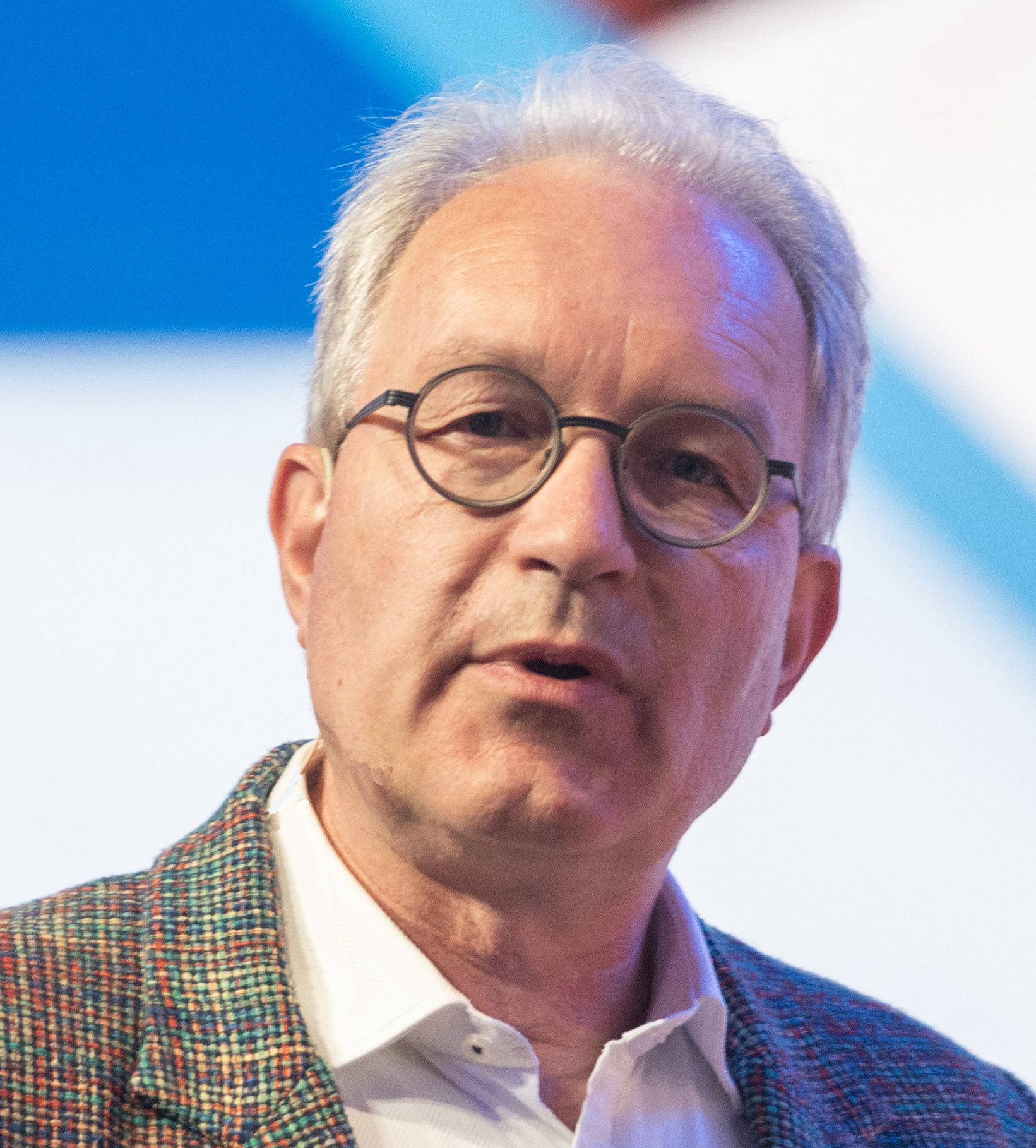
Erik Huizer, Vietsch foundation
Evelien Renders
Expired
Erik Huizer, Vietsch foundation
Evelien Renders
- Auditorium
How can the Vietsch foundation help you?
The Vietsch Foundation has as it’s mission: Promoting research and development of advanced Internet technology for scientific research and higher education. This presentation will explain through which activities the Vietsch foundation does that and it will focus on how you can benefit from support from the Vietsch foundation.
Closing Remarks from Evelien Renders, President Eunis Board
Titanic Museum Tour & Gala Dinner
Social event Expired
Sponsored by Sigma 
We have chosen an unforgettable venue for our Gala Dinner and Awards evening. You will be taken by coach and welcomed into the giant Atrium at Titanic Belfast. This is a soaring five story space inspired by the scaffolding, gantries and cranes which surrounded RMS Titanic as she sat on the original slipways.
During the evening you will enjoy a tour of Titanic Belfast’s nine interactive galleries which use state-of-the-art technology and innovative design to tell Titanic’s story from conception to construction and launch in Belfast, to its maiden voyage and subsequent place in history.
Then relax and enjoy a banquet dinner and awards ceremony overlooking the city, with the backdrop of the historic Titanic ballroom staircase, before being taken back to the city centre by coach.
- Bus shuttle transfers from McCracken Building: 6.15pm – 6.45pm
- Tour: 7pm – 8.30pm
- Drinks reception: 8.30pm
- Gala Dinner: 9pm – 11.30pm
- Bus shuttle transfers to City Hall from: 11.15pm
Dress code is smart/casual
Registration
ExpiredWelcome refreshments will be available in the Lower Ground Foyer
Opening Remarks day 2
Isabel Gallin
Expired
Isabel Gallin
Opening Remarks | Vice President & Board of Directors EUNIS | Isabel Gallin
Welcome Keynote by Duncan Morrow
Duncan Morrow, Ulster University
Expired
Duncan Morrow, Ulster University
- Auditorium
Welcome | Director of Community Engagement at Ulster University | Duncan Morrow
People, Place and Partnership: Engaging with communities at Ulster University
Moderator: Isabel Gallin
Morning Keynotes | Izabela Grabowska & Claudia Feiner
Claudia Feiner, AI, IT, WEB 3 & Gaming Consultant

Izabela Grabowska, Kozminski University in Warsaw
Expired
Claudia Feiner, AI, IT, WEB 3 & Gaming Consultant
Izabela Grabowska, Kozminski University in Warsaw
- Auditorium
Izabela Grabowska
Her keynote highlights why teaching at European Universities without research is incomplete in the AI era, drawing from her leadership experience in both EUonAIR and Link4Skills. She presents a compelling vision of universities as immersive, AI-driven ecosystems, where learning, innovation, and civic impact converge to prepare learners not just to adapt—but to lead—in a rapidly transforming world.
Educating for a Future We Can’t Predict What the Workforce of Tomorrow Needs And What Universities Can Seed
Speaker: Claudia Feiner
What if our universities were more than places of learning?
What if they became launchpads—for shaping the future we all want to live in?
We are in an age of turbulence. The pace is fast. The rules shift. Technology evolves faster than culture can catch up. In this space of uncertainty, one truth becomes clear: the future cannot be predicted—but it can be shaped.
Employers across sectors are increasingly looking for people who can operate in ambiguity, connect across disciplines, and navigate ethical grey zones with confidence. The professionals of the future won’t be measured by what they know, but by how they think, relate, and respond when the rules change. They’ll need tech fluency and systems thinking—but also curiosity, courage, and moral imagination.
Universities are uniquely placed to plant what matters most: the roots of ethical judgment, the spark of creativity, the courage to care. They can shape environments where people don’t just learn—but grow into who they need to become.
This keynote challenges higher education to shift from being a conveyor belt of answers to becoming active seedbeds for a future-ready workforce and a more resilient society. Rooted in emerging practices from AI literacy, global workforce transformations, and inclusive design thinking, it redefines what it means to prepare students—not for the jobs of today, but for the challenges of tomorrow.
It invites institutions to shift from being knowledge providers to future-makers: planting the mindsets, environments, and human capacities that will allow the next generation to thrive in and shape a world we cannot yet predict.
Moderator : Isabel Gallin
Move time
Expired
European University Alliances
Freddy Barstad
Michael Anger
Ognjen Orel
Thematic Track Governance; Policy and StrategyExpired
Freddy Barstad
Michael Anger
Ognjen Orel
- Auditorium
From silos to shared systems: digital strategies for empowered EU alliances
What if alliances didn’t need to reinvent the wheel—but could build the road together?
This session explores how European University Alliances can overcome fragmented infrastructures and unlock real digital synergy. You’ll hear from three powerful perspectives:
🔹 Michael Anger introduces the Agora Platforms: open-source digital environments designed to help alliances collaborate, share knowledge, and manage access based on the EU principle of “as open as possible, as closed as necessary.” Expect a hands-on demonstration—and a look at what’s coming next.
🔹 Ognjen Orel brings in the research perspective, sharing best practices for managing research information within alliances. Based on the work of euroCRIS, this presentation highlights how effective collaboration in research infrastructure can be achieved—and what still holds us back.
🔹 Freddy Barstad zooms out to the big picture: the digital landscape of European university alliances, and the risks of duplication versus the opportunity of common infrastructure. Can we afford 65 separate systems—or should we build one strong, shared foundation?
Together, these talks offer inspiration, practical insights, and a roadmap toward digitally empowered alliances. Come curious. Leave connected.
Moderator: Evelien Renders
Download the presentations:
Strategy, Detection and Compliance
Agnethe Sidselrud
Roy Dragseth
Simone Piunno
Information System and Digital TransformationExpired
Agnethe Sidselrud
Roy Dragseth
Simone Piunno
- Ulster – BC-03-115
Strengthening Cybersecurity in Higher Education
This session explores critical aspects of cybersecurity in higher education, offering insights into certification processes, defense strategies, and risk management practices.
Simone Piunno will discuss Bocconi University’s journey toward ISO27001 certification, a process that required collaboration across departments, including HR and physical security. The initiative involved developing policies, conducting gap analyses, training staff, and establishing a monitoring system to ensure continuous improvement. This presentation highlights the practical steps institutions can take to enhance their cybersecurity posture.
Roy Dragseth will share the experiences of UiT The Arctic University of Norway, which has been the target of repeated cyberattacks and espionage attempts by a foreign state actor. Located in a geopolitically sensitive region, the university faced significant challenges over five years. The session will outline the timeline of these incidents, their consequences, and the measures implemented to protect against future threats.
Agnethe Sidselrud will focus on the role of asset management in reducing cybersecurity risks. Drawing from the Norwegian higher education sector, the presentation will address the challenges institutions face in meeting national security requirements, particularly in managing information and other assets. Insights from dialogues with higher education institutions will be shared, along with recommendations for best practices in asset management.
Together, these presentations provide a comprehensive look at the challenges and strategies involved in strengthening cybersecurity in higher education, offering practical insights and lessons learned from real-world experiences.
Moderators: Thorsten Küfer and Asbjørn Thorsen
Download the presentations:
ISO27001 certification to upgrade your cybersecurity
Protecting your university against spies
Need to reduce risk in information security? Asset management is your secret ingredient
Interoperable Identity Solutions
Alexander Loechel
Saku Ripatti
Simon Lund
Information System and Digital TransformationExpired
Alexander Loechel
Saku Ripatti
Simon Lund
- Cathedral
Modernizing the approach to student authentication and service access
In this session, two digital identity solutions are presented that provide a modernized approach to student authentication and service access.
Saku Ripatti (Pegasi) will provide a quick lookout on their modular approach to the universal challenge of first time authenticating foreign students from their remote home locations.
Alexander Loechel and Simon Lund (both from Ludwig-Maximilians-Universität München) will present eduTAP, a EUGLOH project digitizing Campus Cards in the Wallet to enabling easy service access for students, staff, researchers, and affiliates at home and host universities while on mobility. This includes an open-source concept and software framework that builds on top of digital wallets and provides service access in Higher Education Institutions (HEIs) based on dedicated service passes, as well as defining a harmonized identity document aligning with eduGAIN schemas and attribute definitions. This concept aims to fulfill the vision of the European Student Card, by leveraging the possibilities of smartphone wallets and existing, battle-profed standards for proximity access.
After the presentations, there will be some time for questions and discussion.
Moderators: Carmen Diaz and Peter Leijnse
Download the presentations:
RDM Structures: Local Insights, Shared Impact
Ari Rouvari
Bert Zulauf
Research TechnologyExpired
Ari Rouvari
Bert Zulauf
- Titanic – BC-03-115A
Building and Scaling RDM Structures: Insights from a University Case and a Multi-University Innovation Network
This session brings together two complementary perspectives on establishing and enhancing research data management (RDM) structures in higher education institutions. While the contexts differ — one focusing on Finnish Universities of Applied Sciences (UAS) and the other on a comprehensive institutional framework at a German university — both contributions address the urgent need to better integrate RDM into the broader research, development, and innovation (RDI) ecosystems.
The first presentation explores the current imbalance in digital transformation efforts between education and RDI in Finnish UAS. Based on recent findings from the national CIO barometer, only a marginal portion of IT development supports RDI activities. Through the work of a national RDI data management group and a qualitative survey, key causes of this disparity are identified, and three strategic courses of action are proposed to strengthen UAS engagement in national and international RDI data ecosystems.
The second presentation provides a deep dive into the institutional structuring of RDM at Heinrich Heine University Düsseldorf. It highlights the importance of going beyond technical infrastructure by focusing on researcher-centered services such as training, consultation, and strategic support. A model of six interconnected fields of action will be presented, offering a transferable framework for other institutions aiming to embed RDM sustainably into their research environment.
Together, these case studies offer both systemic and practice-oriented insights into building effective RDM structures — from initiating organizational change to establishing long-term institutional competence. The session invites discussion on how higher education institutions can move from isolated initiatives toward scalable, collaborative frameworks that support robust RDI ecosystems.
Moderators: Ognjen Orel and Nadža Milanović
Download the presentations:
Virtual – Interactive – Hybrid
Bernardo Armador
Heribert Nacken
Thierry Koscielniak
Learning TechnologyExpired
Bernardo Armador
Heribert Nacken
Thierry Koscielniak
- Belfast
Three perspectives on future-oriented learning concepts between presence, virtuality and interaction.
This session shows how digital technologies are reshaping teaching and learning in higher education. The focus is on three approaches: Avatar-supported role-playing in virtual environments to promote communication and problem-solving skills, interactive teaching scenarios with virtual reality and digital twins to expand technical and didactic possibilities, and hybrid learning spaces that intelligently combine face-to-face and online formats. Specific practical examples will be used to illustrate how immersive technologies enrich the educational experience, promote interaction and support the acquisition of future-relevant skills.
Moderators: Heribert Nacken and Thierry Koscielniak
Download the presentations:
Coffee Break & Exhibition
Expired
EUA Digital Landscape
Alexander Knoth
Andreas Hartmann
Peter Leijnse
Sami Hautakangas
Thematic Track Governance; Policy and StrategyExpired
Alexander Knoth
Andreas Hartmann
Peter Leijnse
Sami Hautakangas
- Cathedral
Exploring the Path to Interoperable Education
How do we move from siloed systems to seamless digital learning across Europe? Join us to find out.
In this unique session, we bring together national, alliance, and cross-European perspectives to uncover what it really takes to build interoperable digital infrastructure for higher education. From big-picture architectures to practical frameworks and hands-on collaboration—this session offers it all.
We begin with Andreas Hartmann who introduces the National Digital Education Ecosystem prototype from Germany: a distributed middleware architecture that connects existing IT systems while respecting institutional autonomy—bridging formal and informal education across the country.
Next, Alexander Knoth presents insights from the European University Alliances, where more than 570 institutions are working to overcome legal, organisational, and technical barriers. Based on the EU’s Interoperability Framework, his team proposes clear steps forward to make cross-border collaboration a functional reality.
Then it’s your turn.
Sami Hautakangas and Peter Leijnse, representing the NRENs4Education initiative, leads a café-style workshop focused on real-world challenges—like user identity, credit recognition, and discoverability of learning opportunities. Together, we’ll shape project plans, pilot ideas, and define how institutions, NRENs, and alliances can work in synergy to build a shared European infrastructure.
With a three-tier model of engagement—pilots, support, and open communication—this session isn’t just about talking. It’s about doing. So bring your ideas, your questions, and your curiosity.
Interoperability is no longer a future goal. It’s a present challenge. Come help shape the solution.
Moderator: Evelien Renders
Download the presentations:
From theory to practice: Making interoperability become reality in European University Alliances
Digital Transformation and Chatbots
Martin Franzen
Simon Birkett
Uwe Dierolf
Information System and Digital TransformationExpired
Martin Franzen
Simon Birkett
Uwe Dierolf
- Ulster – BC-03-115
This session features demos and workshop with the theme of digital transformation & chatbots
Moderator: Simon Birkett
Download the presentations:
Credentials, EUDIW Infrastructure and Security/Trust
Alexander Jacobs
Hermann Strack
Lluís Alfons Ariño Martin
Information System and Digital TransformationExpired
Alexander Jacobs
Hermann Strack
Lluís Alfons Ariño Martin
- Auditorium
Credentials, EUDIW Infrastructure and Security/Trust
In this session different aspects and progresses to establish and optimize solutions for EUDIW based Credentials, Applications and Infrastructure with Security and Trust for HEI/Edu will be presented.
Moderators: Carmen Diaz and Peter Leijnse
Download the presentations:
Educational Trust and Governance Models for Digital Credentials in the EUDIW Ecosystem
Secure and trustworthy administration and lifelong learning according to eIDAS 2.0
Research Data Management Collaboration
Marius Politze
Research TechnologyExpired
Marius Politze
- Titanic – BC-03-115A
Collaboration Opportunities: Research Data Management Services – Forming a SIG für Research Data Management
In the past years we see more and more central infrastructure providers at universities supporting research data management (RDM) processes. Sometimes this support is teaching researchers how to manage data or how to correctly use IT infrastructures (e.g. within the curriculum of “The Carpentries”) sometimes this involves the operation of complex IT systems like repositories, long term archives or electronic lab notebooks. Within this session we would like to bring together like-minded people involved at the different universities and seek new collaboration opportunities within EUNIS. If we can find a critical mass we would like to formalize this as a SIG within EUNIS’ framework.
Moderators: Michael Anger and Ognjen Orel and Nadža Milanović
Download the presentations:
Reuse, Adapt, Immerse
Györgyi Szakmár
Hartmut Kulessa
Zvonko Martinović
Learning TechnologyExpired
Györgyi Szakmár
Hartmut Kulessa
Zvonko Martinović
- Belfast
Scalable learning: Adaptive Immersive Experiences & Efficient Moodle Course Reuse
Join this session to learn practical insights, implementation strategies, and measurable outcomes from three innovative presentation-case studies.
The first case presentation features Merlin, the national e-learning platform for Croatian higher education, maintained by the University of Zagreb University Computing Centre (SRCE). Merlin hosts over 30,000 e-courses each academic year, serving more than 11,000 teachers and 90,000 students across Croatia. To ensure a clean and organized environment, a new Moodle instance is deployed annually, while past courses are archived and remain accessible. The Merlin platform incorporates a custom course restore module, facilitating the seamless transfer of e-courses from the previous academic year to the new one. Recognizing a file upload limit of 512MB, SRCE developed a dedicated plugin that allows teachers to transfer course backups within the system, eliminating the need for manual uploads of large files. This significantly streamlines the e-course migration process and enhances the overall user experience.
Next, discover how Panasonic Solutions is transforming education through immersive environments. This presentation explores how Windesheim University of Applied Sciences and InHolland Hogeschool are utilizing cutting-edge immersive rooms to enrich teaching methods, increase student engagement, and drive learning success.
The session will conclude with a hands-on workshop by the Luxembourg Media and Digital Design Centre (LMDDC). This workshop explores how adaptive VR/AR experiences enhance engagement and flexibility in education. Participants will interact with immersive learning tools using VR headsets, mobile devices, and desktop simulations. The showcased experiences are built with authoring tools that support modularity and easy customization, enabling educators to adapt and reuse content across subjects and platforms without technical expertise. Through guided activities, attendees will experience game-based learning and discover how immersive tools support evolving pedagogies, increase accessibility,motivation and scale across institutions. LMDDC will share insights from national projects, offering practical takeaways for integrating flexible, sustainable immersive learning into everyday teaching.
Moderators: Thierry Koscielniak and Angeliki Agorogianni
Download the presentations:
Custom e-course restore plugin: enhancing e-course reuse across multiple Moodle installations
Lunch & Meet our Partners in the Exhibition
Expired
Afternoon keynote | Beatrix Busse
Beatrix Busse, University of Cologne
Expired
Beatrix Busse, University of Cologne
- Auditorium
Beatrix Busse
Her keynote explores the deep interconnection between generative AI and a holistic concept of well-being, urging universities to adopt value-driven, more-than-human-centered approaches. It challenges conventional thinking and presents concrete ways to align innovation with purpose, ethics, and sustainability in the post-digital age.
Moderator: Christa Winqvist
Panel | Architecting the Future of Higher Ed with APIs, data & AI: blueprints from CIOs
Bas Ten Holter
Bella Abrams
Christa Winqvist
Stephen Booth
Expired
Bas Ten Holter
Bella Abrams
Christa Winqvist
Stephen Booth
- Auditorium
Architecting the Future of Higher Ed with APIs, data & AI: blueprints from CIOs
As higher education undergoes rapid transformation, Chief Information Officers face a mix of new and longstanding challenges, from shrinking resources to the constant need for system interoperability — all while delivering enhanced services to a diverse community. This session will explore real-world strategies and lessons learned from other institutions, showcasing best practices for:
● Positioning IT leadership to align with and propel the institution’s broader vision.
● Building flexible technological solutions that address immediate needs while preparing for future growth.
● Leveraging AI and agentic technologies to drive efficiencies, cut costs, and mitigate workforce shortages.
● Managing institutional change and fostering a culture that thrives on
digital innovation.
Presenter / Moderator: Bas Ten Holter (Salesforce)
Panel | CIO/Leadership | The Significance of Trust

Giuliano Pozza
Kristina Lillemets
Phillip Fischer, University College Dublin
Tore Burheim, University of Bergen
Expired
Giuliano Pozza
Kristina Lillemets
Phillip Fischer, University College Dublin
Tore Burheim, University of Bergen
- Auditorium
The Significance of Trust as a competitive advantage.
According to many instances, Trust is the new black. It is widely discussed in various frameworks: public trust, organizational trust, individual/employee trust and zero-trust (mostly in tech & AI context). There are many things that create mistrust at the moment: a war in Europe, tensions in the Transatlantic relationships, fear of AI, economic instability etc. We need to consider how to prepare ourselves for the future, and how to maintain and uphold trust in the European context; public trust to Universities & their appeal, our employees’ trust to Universities as employers in order to ensure a competent workforce in the future and our users’ trust to AI based digital solutions. What should we / could we as institutions & IT Leaders do, to ensure a positive development in the area of trust instead of widening the gap? How should we prepare ourselves for the worst-case scenarios? How do we turn this to an opportunity and perceive trust as a competitive advantage?
Moderator: Christa Winqvist
Coffee Break & Exhibition
Expired
EUNIS General Assembly
Evelien Renders
Expired
Evelien Renders
Cathedral Quarter Social Event and BBQ
Social event Expired

Sponsored by Symplicity 
The Belfast campus is located in Belfast city in the Arts and Cultural “Cathedral Quarter”. This historic trading quarter is a maze of cobblestoned streets and warehouses that are now home to trendy bars, beer gardens, clubs, restaurants and arts organisations.
Craic **, atmosphere, bustling bars and contemporary restaurants. Belfast Cathedral Quarter has all the ingredients for your perfect night out.
The Congress venue is close to the Arts and Cultural “Cathedral Quarter.
We offer you the opportunity to break into groups and enjoy a walking tour of the public art in the area.
You can round off the evening by visiting three traditional Irish pubs: The Dark Horse Pub, The Harp Bar and Orpheus which will be open to EUNIS guests only and who will be provided with a drinks voucher to exchange for beer or wine. Top quality BBQ food will be served throughout the evening in a private courtyard area.
** Craic – the Irish word for an enjoyable social activity and having a good time!
-
Meet in McCracken Building at 6.15pm
Registration / Arrival / Luggage Store
ExpiredWelcome refreshments will be available in the Lower Ground Foyer
Luggage storage in Magee Suite
Opening Remarks day 3
Thierry Koscielniak
Expired
Thierry Koscielniak
Opening Remarks | Vice President & Board of Directors EUNIS | Thierry Koscielniak
Panel | Wellbeing & AI in Higher Education
Beatrix Busse, University of Cologne

Eamon Costello, Dublin City University

John O’Brien, EDUCAUSE
Expired
Beatrix Busse, University of Cologne
Eamon Costello, Dublin City University
John O’Brien, EDUCAUSE
- Auditorium
This panel brings together Beatrix Busse (EUniWell), John O’Brien (EDUCAUSE) and Eamon Costello (Dublin City University) to explore how AI is reshaping the human experience in higher education. From ethical tensions to student well-being and institutional responsibility, the discussion will examine how universities can foster environments where digital transformation supports – not undermines – mental health, equity and meaningful learning.
Moderator: Beatrix Busse
Move time
ExpiredStudent Voice
Thematic Track Research TechnologyExpiredInternational Students’ Digital Experience
Ulster participates in the JISC Digital Experience Insights survey on an annual basis https://www.jisc.ac.uk/digital-experience-insights to help us better understand how staff and students are using the technology we provide at Ulster. The surveys delivers valuable data to inform our digital strategy, investment plans and helps us respond to changing environments.
In 2023, building on this work, we participated in a JISC research project to better understand the digital experience of our International students. Insights from this work greatly challenged some of our assumptions about our digital approaches and encouraged us to think about our systems more thoughtfully.
Through a panel discussion with representatives from JISC and some of Ulster’s international students we will explore themes from the survey through lived experience with topics that may surprise ‘MFA when you don’t have a UK phone, registration when you don’t have a bank account and how previous experience with digital technologies often meant navigating challenges with daily power cuts’
We hope, through this panel discussion that we can challenge some of our assumptions about our users.
Moderators: Shazin Kunhi Parambath and Andy Jaffrey
Learning in small doses
Antti Eväsoja
Carmen Díaz
Franziska Meinecke
Lea Alina Knupper
Information System and Digital TransformationExpired
Antti Eväsoja
Carmen Díaz
Franziska Meinecke
Lea Alina Knupper
- Cathedral
Dream big, act small: good implementation practices for large initiatives
While we have the common desire to create smaller and shorter learning experiences, the projects and programs to achieve this can be quite big and long-running. In this session we explore a couple of these initiatives, and learn about their execution.
Moderators: Peter Leijnse
Download the presentations:
Digital Leadership 2025
Bertrand Mocquet
Harald Gilch
Malte Dreyer
Stuart Mclellan
Governance; Policy and StrategyExpired
Bertrand Mocquet
Harald Gilch
Malte Dreyer
Stuart Mclellan
- Ulster – BC-03-115
Digital Universities, Human Drivers: Strategies and Skills for Transformation
This session explores the interplay between digital transformation and key stakeholders in higher education, drawing on recent data and institutional practices from Germany, Austria, Switzerland, and France. It focuses on strategic orientations, governance models, and the professional development of digital leaders.
The first paper, “Results of the 2025 ZKI Top Trends Survey”, reports on a large-scale survey investigating organizational responsibilities in digitalisation and AI-related initiatives at universities, identifying both successful strategies and causes of project failures.
The second paper, “The Development and Status of Digitalization at German, Austrian and Swiss Universities”, presents a longitudinal study of digital infrastructures and practices across academic functions, with emphasis on the impact of the pandemic and emerging AI tools.
The third contribution, “How Are University CIOs Trained in 2025? The French Touch”, examines the evolving training landscape for university CIOs in France, focusing on strategic, managerial, and technical skill development through coordinated national programs.
Together, the papers offer a rich and comparative perspective on how various institutional actors drive, shape, and sustain digital transformation in European higher education.
Moderators: Christa Winqvist and Vlad Petcu
Download the presentations:
The development and status of digitalization Germany Austria Switzerland
Secure Institutional AI
Andrew Stalker
Marius Politze
Mikko Mäkelä
Learning TechnologyExpired
Andrew Stalker
Marius Politze
Mikko Mäkelä
- Titanic – BC-03-115A
This session explores implementing secure, content-controlled AI assistants within institutional settings for enhanced support and learning.
This session shows the development and and integration of content-controlled AI-assistants designed to operate with pre-defined content. We will discuss approaches like Retrieval-Augmented Generation (RAG) using institutionally controlled knowledge bases, such as research papers, internal wikis, and curated support documentation, to ensure reliable and contextually appropriate responses.
The approach will be showcased on two examples: a chatbot for IT service support and an interactive learning assistant.
Moderators: Tomasso Piazza and Laurence Desnos
Download the presentations :
Transforming Global Academia
Angeliki Agorogianni
Evelien Renders
Georgios Roussos
John O’Brien, EDUCAUSE
Patrik Maltusch
Raimund Vogl
Thierry Koscielniak
Vlad Petcu
Information System and Digital TransformationExpired
Angeliki Agorogianni
Evelien Renders
Georgios Roussos
John O’Brien, EDUCAUSE
Patrik Maltusch
Raimund Vogl
Thierry Koscielniak
Vlad Petcu
- Belfast
This session features a presentation from Vlad Petcu followed by a panel discussion
Bridging the Gap Between Information Systems and Real-World Classroom Usage: Space Optimization at UVT
Speaker: Vlad Petcu
It’s a Global Issue: AI, Digital Transformation, and Governance – Mapping the Landscape for the Future of the Higher Education Communities
Join this engaging panel to explore how AI is transforming academia globally. Learn how HEIs can strategically integrate AI, digital transformation, and governance to navigate future challenges. Discover practical frameworks, innovative approaches, and strategic insights that institutions are leveraging to adapt successfully. Is your institution ready for this global digital shift, and what steps should you be taking today? Join us to learn more.
Panel discussion moderated by Prof. Raimund Vogl (University of Münster, Germany)
Moderators: Thierry Koscielnicak and Anna Pacholak
Download the presentations :
Bridging the gap between information systems and real-world classroom usage
Studio Ulster Tour
Frank Lyons MBE, Ulster University
Expired
Frank Lyons MBE, Ulster University
- TBC
Studio Ulster Tour
We are delighted to offer a guided tour of the brand new Ulster University VP Studio on Friday 6th June.
Get ready for Virtually Limitless Possibilities
Developed in partnership with Belfast Harbour Studios and supported by Northern Ireland Screen, Studio Ulster is a unique £75m+ investment in a large-scale Virtual Production studio complex that integrates world class real-time and in-camera visual effects in support of Film, TV, Animation, Games and trans-media productions.
This 74,000 sq ft Studio Ulster campus provides world-class commercial Virtual Production stages, capable of highly flexible configuration, fully supported by an integrated R&D&I Centre of Excellence in real-time and virtual production.
Visit Studio Ulster, the world’s most cutting-edge virtual production studios, and witness the next era of innovation in screen and performance technology. This @£80m studio complex is at the forefront of a revolution in film, broadcast, commercial, animation, games, immersive media, and VFX. Studio Ulster collaborates with top production companies and research teams to address the skills gap in virtual production and provides access to Hollywood-grade facilities and cutting-edge technology.
Publicly opening in mid-June 2025, this is a great privilege for EUNIS colleagues and a unique opportunity to get a glimpse inside a new era of filmmaking.
The tour will take place on Friday 6 June, 10.00-11.45. Studio Ulster is outside the city and delegates will be transported there and back by bus. Bus departs outside McCracken Building.
This tour is now fully booked
Coffee Break & Exhibition
Expired
AI Cost Benefit
Denise Dittrich
Hanbit Choi
Sander Garland Slinning
Governance; Policy and StrategyExpired
Denise Dittrich
Hanbit Choi
Sander Garland Slinning
- Auditorium
Evaluating and managing the benefits and costs of AI implementations
This session focuses on the transformative impact of AI in higher education, exploring both opportunities and challenges related to its deployment.
Across different projects in Germany and Norway, common themes emerge around the strategic integration of AI technologies. The KI:connect.nrw project in Germany addresses equitable access to AI services for universities, emphasizing cost management through centralized systems. This initiative highlights the importance of transparent billing methods and flexible budget controls to manage AI-related expenses effectively as usage increases.
In Norway, the application of AI in higher education presents both promising results and regulatory challenges. Team SAIL developed document classification solutions that improved efficiency but faced implementation issues due to GDPR compliance. Team Loggerne’s exploration of machine learning for log analysis revealed data constraints, leading to alternative solutions. These experiences underline AI’s potential to enhance processes while acknowledging its limitations in certain contexts.
The Norwegian Ministry of Digitalization’s initiative further illustrates AI’s integration within university admissions, stressing the significance of cross-disciplinary collaboration and strategic alignment. Challenges such as prioritization and the absence of structured implementation plans are identified, with recommendations for processes that document learnings and adapt to AI as an evolving tool.
Collectively, these projects highlight the need for balancing innovation with compliance and strategic cost management. The session will provide insights into the practicalities of AI implementation, emphasizing the importance of transparent systems, regulatory considerations, and collaborative approaches to effectively harness AI’s benefits while managing its costs in the educational sector.
Moderators: Denise Dittrich and Kristina Lillemets
Download the presentations:
From Hype to Implementation Realities of AI integration in Norwegian University Admissions
Cost Management for the Use of Generative AI in Higher Education
Towards Digital Erasmus
Carmen Díaz
Geir Magne Vangen
Janina Mincer-Daszkiewicz
Tor Fridell
Information System and Digital TransformationExpired
Carmen Díaz
Geir Magne Vangen
Janina Mincer-Daszkiewicz
Tor Fridell
- Cathedral
Journey of Member States towards digital Erasmus – challenges and lessons learned
In the panel, to which experts from several countries and participants of many European projects are invited, we will discuss the approach to the digitalization of higher education on a European scale, within the Erasmus+ programme and beyond.
Everyone is aware of the need to digitalize higher education, digitalization on a European scale requires agreements and involvement of all institutions, at the technical level standards and elements of common infrastructure are necessary.
When solutions already exist and are in production use, the question of sustainability, financing, management and implementing changes comes to the fore.
Together with the audience we will seek answers to the following questions:
- How do different member countries implement their participation in the EWP and EMREX network – developing in-house systems, using commercial vendor software or a free solution provided by EC?
- What should be the driving force for digitalization – a grassroots initiative of users who want to streamline processes, or European legislation? How to meet the digital needs of the European Alliances? What role does digital wallets play in ensuring data access control?
- What should be the role of the EU in the digitization of the Erasmus+ programme – financing, supervision, setting goals and enforcing them, deciding on the business and technical aspects of the solution? How to solve the problem of governance in relation to the effects achieved within European projects (e.g. converters, software bridges)?
- Who should bear the financial costs of digitization and how to ensure rationalization of expenses?
- In what mode and time can the change of the network architecture be implemented (evolutionary, revolutionary) and who should decide on the shape of the changes? How to agree on a schedule with a large and diverse group of stakeholders, with systems running in the production settings?
Moderators: Carmen Diaz and Peter Leijnse
Download the presentation:
Journey of member states towards digital Erasmus – challenges and lessons learned
Benchmarking Innovation
Ilkka Siissalo
Kirsten Heiss
Melissa Mitchell
Governance; Policy and StrategyExpired
Ilkka Siissalo
Kirsten Heiss
Melissa Mitchell
- Ulster – BC-03-115
From Data to Action: Modernising Higher Education IT through Benchmarking and Agentic AI
Join us in a discussion and think-tank about IT benchmarking and how AI may be changing our future in keeping track of our costs and changes in our reporting processes.
Across Europe, universities are navigating a rapidly evolving digital landscape. Yet despite growing demands for modernization, many institutions remain constrained by fragmented systems, outdated infrastructures, and the absence of actionable benchmarking data. This session brings together two complementary approaches to address these challenges: the evidence-based insights of the BencHEIT survey, and the transformative potential of OpenCampus’ agentic AI-driven platform.
First, Ilkka Siissalo presents the latest developments from BencHEIT—a long-standing, collaborative benchmarking initiative that empowers IT leaders across European higher education with data on IT costs, performance, and trends. Participants will gain a deeper understanding of how peer comparisons and longitudinal analysis help institutions improve cost-efficiency, service quality, and strategic planning. The session also opens a dialogue about the future of BencHEIT in the face of project group changes and evolving sector needs.
Following this, Melissa Mitchell and Dr. Kirsten Heiss introduce OpenCampus: a modular campus management platform that uses Open Adoption Software and embedded agentic AI to reimagine how institutions manage the student lifecycle. Through real-world examples, attendees will see how OpenCampus integrates legacy systems, automates workflows using no-code tools, and enables personalized digital experiences at scale—without the need for custom development.
Moderated by Christa Winqvist and Vlad Petcu, this session invites dialogue between data-driven governance and innovative digital transformation strategies. It is an essential conversation for IT leaders, CIOs, and strategists seeking to benchmark wisely and act decisively in shaping the digital future of higher education.
Moderators: Christa Winqvist and Vlad Petcu
Download the presentations:
Adopting AI & Analytic tools
Kristian Hentula
Loraine Nazaré
Learning TechnologyExpired
Kristian Hentula
Loraine Nazaré
- Titanic – BC-03-115A
Two AI cases: Aalto’s generative AI adoption and tool development for teaching improvement, and Aveiro’s data-driven tool for smarter decision-making.
In higher education, Aalto University and the University of Aveiro show how AI is changing how they work, the tools they use, and the extra steps they take.
Aalto University explores the use of generative AI by focusing on its impact on teachers, technology, and the adoption of legal regulations. Teachers share why they choose to use AI in their classrooms and how it improves learning. The university explains how they set up the necessary technology while ensuring compliance with laws like the EU AI Act and GDPR. Finally, they discuss the aspects of AI adoption and the methods used, aiming to establish AI literacy to ensure ethical and effective integration throughout the campus.
On the other hand, the University of Aveiro focuses on using AI to make better decisions. They gather data from different areas, such as teaching and sustainability, into a single system called the Indicators Portal. This allows everyone in the university to access useful information easily. By using machine learning, Aveiro can predict which students might drop out, helping the university make smarter choices. This tool provides important insights that support decision-making and improve student retention.
Both universities demonstrate how AI can transform higher education by making teaching better and helping management make informed decisions
Moderators: Tomasso Piazza and Laurence Desnos
Download the presentations:
Hybrid & Immersive 1
Christian Cousquer
Evangelos Christopoulos
Maité Sylla
Marcus Michael Mueller
Ron Bakker
Learning TechnologyExpired
Christian Cousquer
Evangelos Christopoulos
Maité Sylla
Marcus Michael Mueller
Ron Bakker
- Belfast
This session features three presentations with the theme of hybrid & immersive
Moderators: Thierry Koscielnicak and Anna Pacholak
Download the presentations:
When Virtual Reality reinvents Training: The Cnam Bet with CAP’VR
Grab and go lunch
ExpiredCollaborative Visual Summary with Delegates & Chairs
Expired
Closing remarks | Evelien Renders, President EUNIS Board
Evelien Renders
Expired
Evelien Renders
Introducing new EUNIS board & Closing remarks