Call for submissions

SUBMISSION DEADLINE

Monday 22 February 2027, midnight

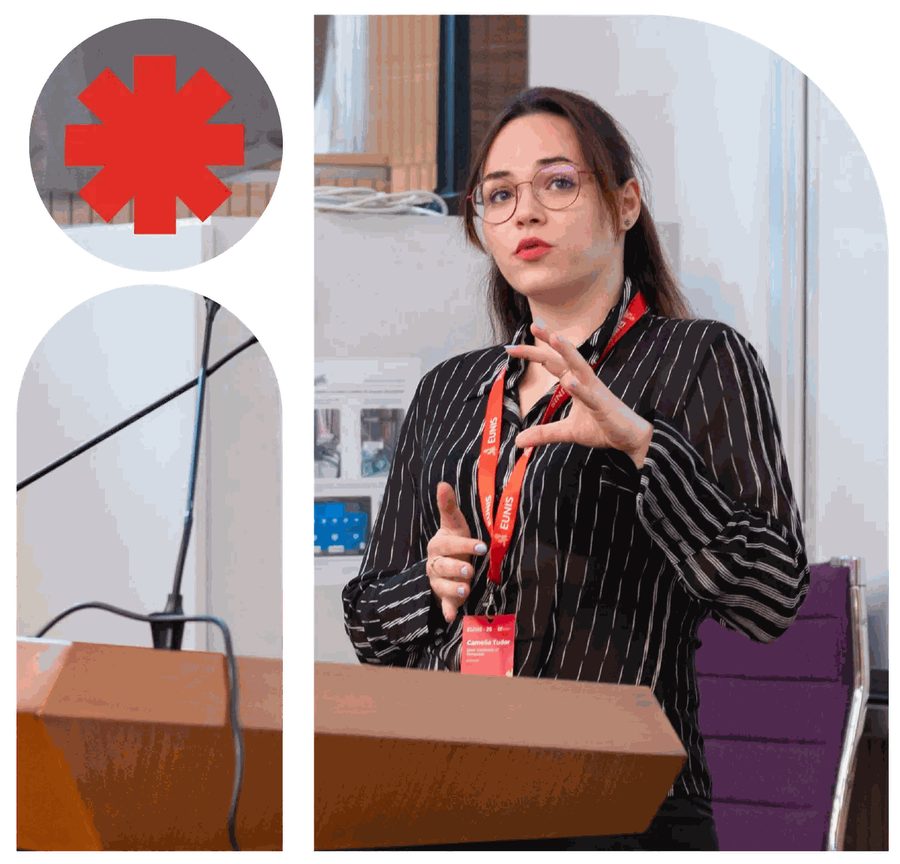
Speaker presenting at a lectern at the EUNIS congress

Session proposal or paper?

EUNIS27 is made by its community, so we would love to hear from you! Share your work in any of the three tracks: Learning, Teaching and Research; Governance and Policy; IT and Infrastructure. Pick the route that fits what you want to do.

You want to present your work

Submit a session proposal in the format that fits how you want to present it: a presentation, workshop, panel or poster, for example. This gives you the best chance of a place on the programme.

You want to publish your research

Submit a paper. Accepted papers are published and presented in a 20-minute slot. Papers that are not accepted may be invited to a topical discussion session instead.

+

You want both, or more than 20 minutes

Submit a paper and a session proposal. If your session is accepted, it replaces the 20-minute paper presentation, unless the two are on different topics.

SESSION PROPOSAL

Workshop, masterclass, panel, presentation, fireside chat or digital poster

Submit in Orgo, no account needed. The form can’t be saved or changed once sent, so prepare it with your co-presenters in the template first. What to prepare

SCIENTIFIC PAPER

Research paper, case study, short paper, conceptual framework or demonstration

Submit in EasyChair with a free account. You can save your paper there and update it until the deadline. What to prepare

  •  2 Nov 2026Call opens
  • NEXTDEADLINE22 Feb 2027Submission deadline, midnight
  •  31 Mar 2027Notification of acceptance
  •  1–3 June 2027EUNIS27 Congress in Riga · workshops 31 May
2 Nov 2026Call opens
22 Feb 2027 NEXT DEADLINESubmission deadline, midnight
31 Mar 2027Notification of acceptance
1–3 June 2027EUNIS27 Congress in Riga · workshops 31 May

Find the best format for your idea

Have a project, an experience, an idea or research that other universities could learn from? Share it in a session format that suits it, or publish it as a scientific paper. Sessions are offered in limited numbers, in fixed time slots.

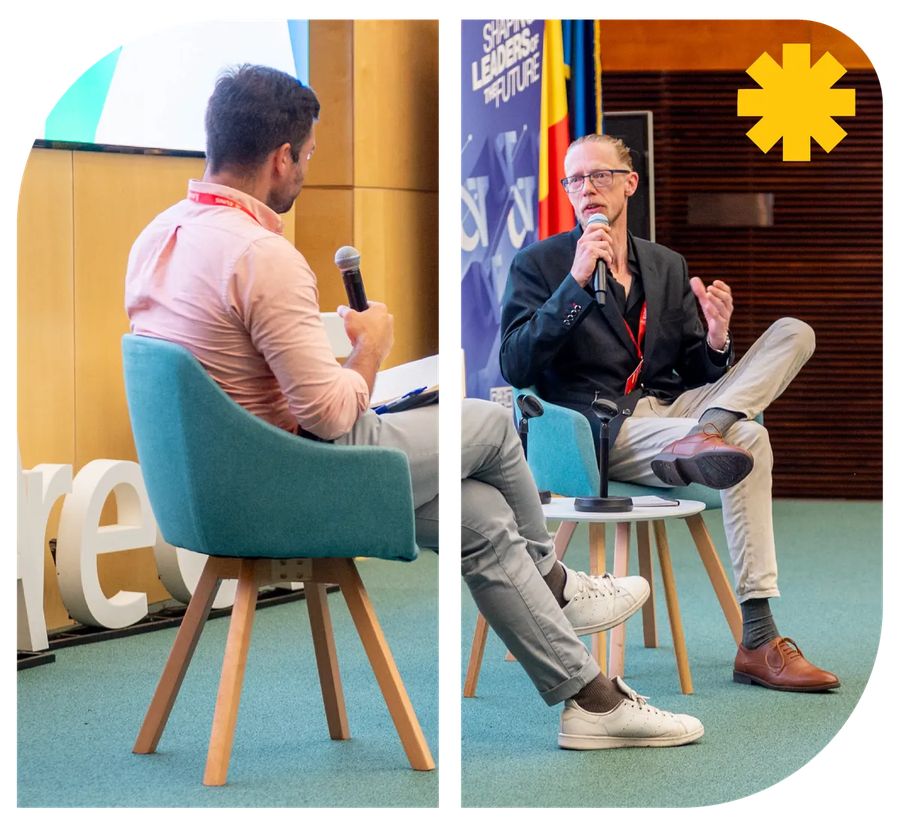
Fireside chat on stage between a moderator and a guest

How-to workshop

Learn by doing · hands-on, in small groups

45 min

Roll up your sleeves: participants try out methods and tools themselves, often on their own devices. Combine short input with hands-on practice, so everyone leaves with something they can use the next day.

Masterclass

In-depth expertise · expert input with interaction

45 min

Take participants deep into a topic you know inside out. Share advanced insights and practical guidance, with interactive moments that help the learning stick.

Panel discussion

Several perspectives · debate and audience questions

45 min

Bring together speakers with different perspectives on a shared challenge. A good moderator keeps the debate lively and gives the audience plenty of room for questions and comments.

Presentation

One clear message · a talk with questions

20 min

Twenty minutes, one clear message. Share an insight, a result or a lesson learned that inspires colleagues to try something new.

Fireside chat

Personal experience · a relaxed conversation

20 min

A relaxed, personal conversation between a moderator and one or more guests about their experience. Audience questions can be collected live, so everyone can join in.

Digital poster

Show your project · one-to-one chats in the breaks

whole congress

Your work on show throughout the congress. Participants leave notes with questions and comments, and you meet them for a chat during the networking breaks.

How-to workshop

Learn by doing · hands-on, in small groups
45 min

Roll up your sleeves: participants try out methods and tools themselves, often on their own devices. Combine short input with hands-on practice, so everyone leaves with something they can use the next day.

Masterclass

In-depth expertise · expert input with interaction
45 min

Take participants deep into a topic you know inside out. Share advanced insights and practical guidance, with interactive moments that help the learning stick.

Panel discussion

Several perspectives · debate and audience questions
45 min

Bring together speakers with different perspectives on a shared challenge. A good moderator keeps the debate lively and gives the audience plenty of room for questions and comments.

Presentation

One clear message · a talk with questions
20 min

Twenty minutes, one clear message. Share an insight, a result or a lesson learned that inspires colleagues to try something new.

Fireside chat

Personal experience · a relaxed conversation
20 min

A relaxed, personal conversation between a moderator and one or more guests about their experience. Audience questions can be collected live, so everyone can join in.

Digital poster

Show your project · one-to-one chats in the breaks
whole congress

Your work on show throughout the congress. Participants leave notes with questions and comments, and you meet them for a chat during the networking breaks.

Scientific paper

Peer-reviewed research · published in the EPiC Series in Computing
20 min

Scientific papers are a cornerstone of the EUNIS congress. They bring research and evidence into a community of practitioners, so new insights find their way into how European universities really work. Every accepted paper is peer reviewed, published in the EPiC Series in Computing and presented at the congress.
Looking for inspiration? Browse the 22 papers of EUNIS 2026 in the congress proceedings (EPiC Series in Computing, volume 109). Writing with co-authors from other institutions or countries? Even better: see better together.

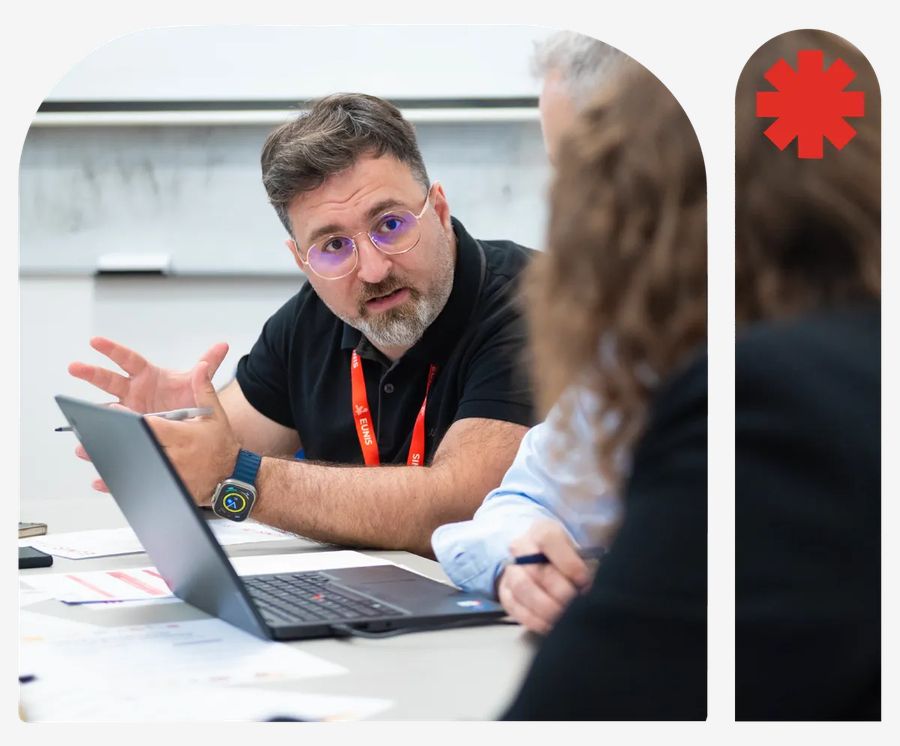
Participant explaining his work at a laptop to a colleague
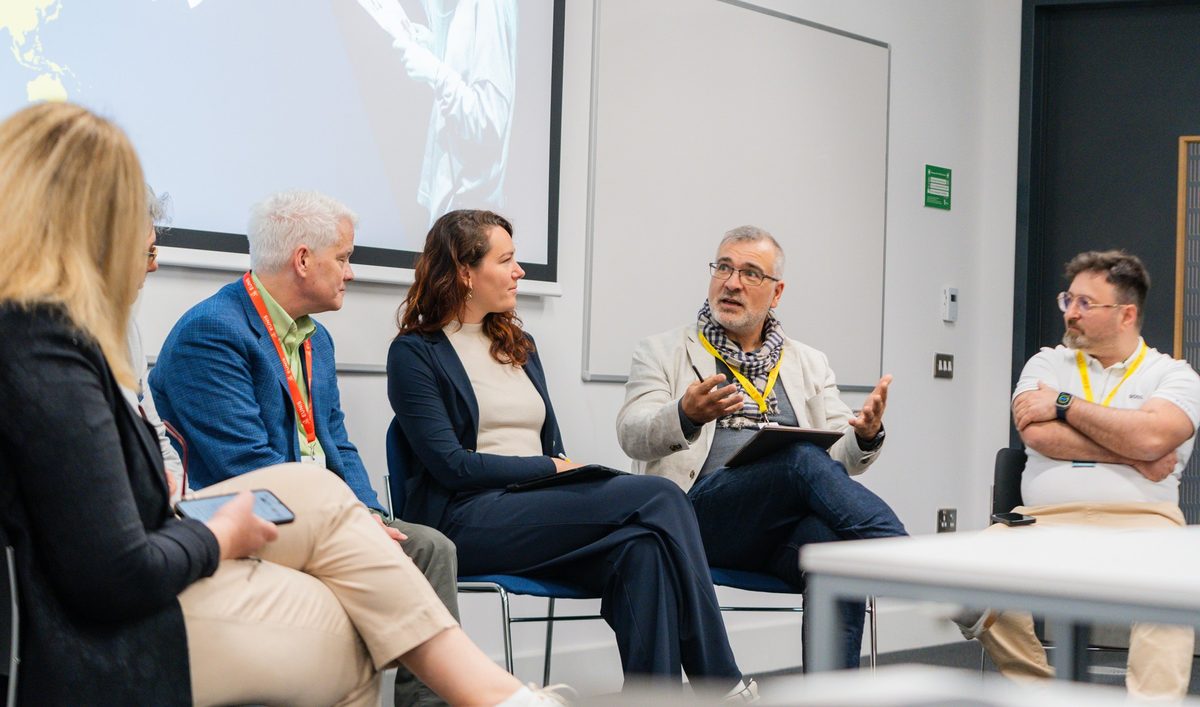
A panel of speakers from different countries in discussion on stage

Better together: present and write with international colleagues

We encourage you to work together with colleagues from different institutions, and even different countries: as co-presenters of a session or as co-authors of a paper. Contributions that combine perspectives are the most engaging, and you learn a lot from each other while preparing them. So invite your favourite international colleagues and build your session or paper together!

Looking for co-presenters or co-authors? Post your idea on community.eunis.org, whether you want to present a session or write a paper together, and we will help connect you with a colleague working on the same topic.

EUNIS Awards

Great work deserves recognition! Your session or paper can also win an EUNIS Award. To apply, simply tick the award box in your submission form.

Best Session Award – voted by participants during the congress

Best Paper Award – chosen by the Scientific Committee

Elite Award – excellence in implementing information systems, for regular EUNIS members

Emerging Professional Award – for early-career professionals

Dørup Award – innovative use of IT in education

AV-Enabled Education Space Award – with AVIXA, own submission website (2027 details to follow)

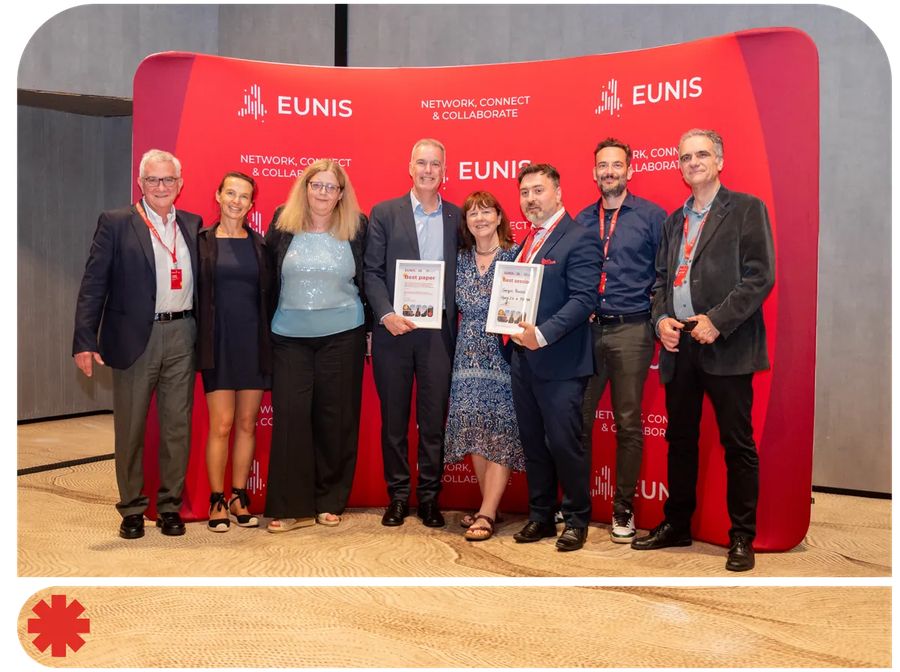
EUNIS award winners holding their certificates in front of the EUNIS backdrop

Frequently asked questions

Can’t find your answer? Email congress@eunis.org or one of the contacts below.

When is the deadline?

Monday 22 February 2027 at midnight, for both session proposals and papers.

What do I need to prepare for a session proposal?

The Orgo form asks for:

  • your name, email address and organisation, and the names and email addresses of all contributors
  • a title, the track and the session format
  • a description of up to 100 words for the congress programme
  • an abstract of up to 250 words, under four headings: Context, Approach, Results, Relevance
  • a session outline with timing
  • the biographies of all contributors
  • whether you would like to be considered for the Emerging Professional Award

The form can’t be saved halfway and a proposal can’t be changed once it is sent. Prepare everything together in the proposal preparation template, then one person submits it for the whole team. You don’t need an account.

What do I need to prepare for a paper?

A free EasyChair account, your paper in the EPiC Word or LaTeX template (max. 10 pages, excluding references, author pictures and biographies; see the instructions for authors), and the title, abstract and details of all authors. You can save your submission in EasyChair and update it until the deadline.

What kind of papers can I submit?

Papers in any of the three tracks, about digitalisation in higher education:

  • research papers
  • case studies, experience reports and short papers
  • conceptual frameworks, expert perspectives or leadership insights
  • innovations and demonstrations of new technologies

How are papers reviewed and published?

Papers are reviewed single-blind by academic experts. Accepted papers are published in the EPiC Series in Computing and presented at the congress in a 20-minute slot. Papers that are not accepted may be invited to join a topical discussion session instead of a presentation of their own.

Can I submit a paper and a session proposal?

Yes. Submit the paper in EasyChair and the session proposal in Orgo. If your session is accepted, it replaces the 20-minute paper presentation, unless the two are on different topics.

What happens after I submit?

For a session proposal, you get a confirmation by email. For a paper, your submission is in your EasyChair account. All submissions are reviewed, and you hear the outcome by 31 March 2027. Speaker photos are requested from accepted presenters in April.

How do I apply for an EUNIS Award?

Tick the award box in your submission form. To be considered for the Emerging Professional Award, you have no more than five years of professional experience in higher education. The Best Session Award needs no application: participants vote during the congress. See all EUNIS Awards for criteria and past winners.

Questions?

Jessica Schwarz

Session proposals

Jessica Schwarz

EUNIS Community Support Officer · jessica.schwarz@eunis.org

Laurence Desnos

Scientific papers

Laurence Desnos

EUNIS Scientific Committee Management · laurence.desnos@eunis.org

For anything else, email congress@eunis.org. Back to top ↑